


61% people may develop romantic feelings for AI Chatbot: McAfee report
A new McAfee India research report highlights an alarming rise in AI-driven romance scams, fraudulent dating apps, and deepfake deception
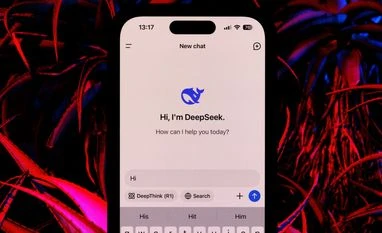 "deepSeek, deepSeek AI, AI chatbot")
Approximately 51 per cent of respondents reported that they or someone they know had been approached by an AI chatbot posing as a real person
Listen to This Article
As Valentine’s Day approaches, love is in the air – and so are scams. While online dating has become a popular way to meet potential romantic partners, the rise of artificial intelligence (AI) in this space has brought new challenges. A study found that nearly 61 per cent of people believe it is possible to develop romantic feelings for an AI chatbot.
A new McAfee India research report highlights an alarming rise in AI-driven romance scams, fraudulent dating apps, and deepfake deception, making it harder than ever for hopeful romantics to distinguish between true love and a digital con.
Approximately 51 per cent of respondents reported that they or someone they know had been approached by an AI chatbot posing as a real person on a dating platform or social media. This has raised concerns about emotional vulnerabilities, with 38 per cent believing that forming an emotional bond with an AI chatbot increases susceptibility to scams.
“Our survey highlights that online dating comes with its own set of challenges. About 84 per cent of Indians say online dating scams—including deepfake audio, video, imagery, and scam messages via text and email—have impacted their ability to trust potential matches. As we navigate the complexities of the digital age, it is crucial to remain vigilant and continually educate ourselves about evolving online scams,” said Pratim Mukherjee, senior director of engineering, McAfee.
Social media preferred over dating apps
Also Read

 "Goose AI")
 "Artificial intelligence, AI")
 "policy")
 "Delhi High Court")
 "Adobe")
In today’s digital dating scene, Indians prefer social media platforms over dating apps or websites to connect with potential romantic partners. Instagram (85 per cent) leads the list, followed by WhatsApp (55 per cent), Telegram (50 per cent), and Snapchat (46 per cent).
Among dating apps, Tinder (61 per cent) is the most popular, followed by Facebook Dating (36 per cent), Bumble (33 per cent), and Match (23 per cent). As more people search for love online, the risk of scams increases, with fraudsters using fake profiles and AI-driven deceptions to target unsuspecting users.
Scammers impersonating famous personalities
Social media has become a common platform for scams involving the impersonation of celebrities or well-known figures. Nearly 42 per cent of respondents said they or someone they know had been approached on social media by an individual claiming to be a celebrity or a public figure. These impersonators often engage targets through fan-based interactions, creating a sense of authenticity and trust.
The consequences of falling for such a “celebrity” scam can be severe. Among those who fell for it or knew someone who did, 47 per cent experienced financial loss, 48 per cent lost personal information leading to potential identity theft, and 56 per cent suffered emotional distress. Many reported scams involving fake opportunities to meet or collaborate with celebrities, romantic offers, expensive giveaways, and VIP passes.
More From This Section
 "OpenAI (Image: Shutterstock)")
 "Tesla CEO and X owner Elon Musk")
 "Qualcomm Snapdragon 6 Gen 4")
 "Apple TV app on Android")
 "Baidu, Baidu Technology Park")
Topics : Artificial intelligence Chatbot love
Don't miss the most important news and views of the day. Get them on our Telegram channel
First Published: Feb 13 2025 | 2:36 PM IST