


China targets 200GW nuclear capacity by 2040 to curb coal reliance
The China Nuclear Energy Association report highlights Beijing's aim to reach 200GW installed nuclear capacity by 2040, shifting away from coal and stabilising its energy mix
 "China nuclear reactor")
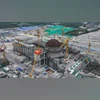
As of the end of 2024, China had 102 reactors either operational or under construction, with a combined capacity of 113GW. (Photo: Bloomberg)
Listen to This Article
China plans to more than double its nuclear power capacity by 2040 as part of a strategic move to reduce reliance on coal and stabilise its energy mix, the South China Morning Post reported, citing a new report from the China Nuclear Energy Association (CNEA).
The report, released on Monday, outlines Beijing’s intention to achieve 200 gigawatts (GW) of installed nuclear capacity by the end of the next decade. This would exceed twice the nuclear capacity of the United States, which stood at around 97GW in 2024, according to the US Energy Information Administration.
As of the end of 2024, China had 102 reactors either operational or under construction, with a combined capacity of 113GW. Most of these are located in the country’s economically developed coastal provinces. A recent Goldman Sachs report noted that China already hosts nearly half of the world’s 61 nuclear reactors currently being built.
The CNEA estimates that by the end of the 2030s, nuclear energy will account for roughly 10 per cent of the national energy mix.
Also Read

 "Ajay Banga")
 "Meta")
 "China nuclear reactors")
 "coal power plant, power plant, energy sector")
 "nuclear reactor, nuclear power reactor")
New reactors reinforce nuclear momentum
In April, China’s State Council approved the construction of 10 more nuclear reactors, signalling ongoing government commitment to nuclear energy as a central pillar of the country’s decarbonisation strategy. This marks the fourth consecutive year that Beijing has approved the development of at least 10 new nuclear units.
The latest projects are expected to require a total investment of approximately 200 billion yuan ($27 billion). Eight of these reactors will employ China’s domestically developed Hualong One design – a third-generation nuclear technology that China is promoting for international adoption.
According to experts cited in the report, “The Hualong One is less vulnerable to earthquakes than other third-generation reactors abroad and has more safety redundancies, meaning we can build more in more places.”
Each Hualong One reactor can generate roughly 10 billion kilowatt-hours of electricity annually – enough to supply power to about one million people.
Balancing coal dominance with cleaner options
Despite its clean energy ambitions, China remains the world’s largest emitter of greenhouse gases, accounting for over one-third of global emissions in 2023, according to United Nations data. Coal continues to dominate China’s energy consumption profile.
The nuclear buildout is part of Beijing’s broader effort to diversify its power generation base and meet climate goals without compromising energy security.
India and the US in context
By comparison, India had 8.18GW of nuclear power capacity across 24 reactors in 2024, per a statement by the Department of Atomic Energy. Union Minister Dr Jitendra Singh stated that this figure is projected to grow to 22.48GW by 2031–32.
Meanwhile, competition between China and the United States in nuclear energy appears to be escalating. Last month, US President Donald Trump signed executive orders aiming to boost the country’s nuclear capacity to approximately 400GW by 2050, Associated Press reported.
More From This Section
 "Natanz nuclear facility in Iran")
 "European Union")
 "unilever")
 "Bain Capital")
 "Google app")
Don't miss the most important news and views of the day. Get them on our Telegram channel
First Published: Jun 17 2025 | 9:34 PM IST