


Merriam-Webster's 2025 Word of the Year is 'slop': Here's what it means
The term slop was first used in the 1700s and meant soft mud. However, through the years, it has evolved more generally to imply something of little value
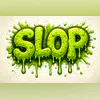 "Slop")
Slop reportedly gained traction as journalists and commentators try to capture how tools such as OpenAI’s Sora and Google’s Gemini-based video systems are changing what people see online | AI-generated image
Listen to This Article
A thing that one could remember 2025 for will most certainly be the influence of artificial intelligence in our lives and its all-pervasive presence on the internet. Bizarre, unsettling, and clearly fabricated online material is increasingly being labelled “slop”. Its growing use, driven in part by the easy availability of generative AI tools, has helped make it Merriam-Webster’s Word of the Year for 2025.
The term slop was first used in the 1700s and meant soft mud; however, through the years, it has evolved more generally to imply something of little value. In the 1800s, it came to mean “food waste” (as in “pig slop”), and then more generally, “rubbish” or “a product of little or no value".
Slop's definition has since expanded to mean digital content of low quality that is usually produced in quantity by means of artificial intelligence.
Greg Barlow, Merriam-Webster's president, informed AP that it is such an illustrative word, and added that it is part of a transformative technology, AI, and it's something that people have found fascinating and annoying. He further said that the label covers everything from ridiculous videos and bizarre ad images to tacky propaganda, realistic-looking fake news, and low-grade e-books churned out by artificial intelligence.
According to Merriam-Webster, slop, just like slime, sludge, and muck, has the wet sound of something you don’t want to touch. Slop oozes into everything. In 2025, even as concerns about artificial intelligence grew louder, “slop” struck a different note, less alarmed and more sardonic. The term amounts to a small jab at the technology: when it tries to stand in for human creativity, it often does not look particularly intelligent.
Also Read

 "Emigration, immigration, jobs abroad, indian students abroad")
 "manufacturing sector, economy")
 "Smog, Delhi Pollution, Delhi Air Quality, Pollution")
 "UK, UK immigration, UK visa")
 "Congress leader P Chidambaram")
Slop reportedly gained traction as journalists and commentators try to capture how tools such as OpenAI’s Sora and Google’s Gemini-based video systems are changing what people see online. AI-made books, podcasts, music, advertisements, and even full-length films are increasingly easy to find. A study published in May (cite the study) said almost three-fourths of new web material produced in the previous month involved some level of AI help.
That surge has fuelled what some critics describe as a “slop economy”, a system in which low-cost, high-volume AI output is pumped out to chase clicks and ad money. Critics warn it could widen digital inequality, dividing audiences between those who can pay for curated, paywalled information and those left wading through huge amounts of content with limited cultural or informational value.
(With inputs from Associated Press)
More From This Section
 "Ahmed al Ahmed, Bondi Beach shooting Sydney")
 "CEO Alex Chriss")
 "bondi beach attack, sydney")
 "Ford")
 "Donald Trump")
Don't miss the most important news and views of the day. Get them on our Telegram channel
First Published: Dec 16 2025 | 10:37 AM IST