


Self-defence insurance booms in US, critics call it 'murder insurance'
Self-defence insurance surges in the US, covering shootings, threats, accidents and cleanup; critics label it 'murder insurance' amid concerns over violence and regulation
 "Gun, Guns, Rifle")
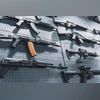
About 40 per cent of US adults report living in a household with a gun (Photo: Shutterstock)


Listen to This Article
The number of Americans purchasing self-defence insurance in the United States has surged in recent years, according to a report by The Wall Street Journal. Industry executives stated approximately two million individuals have enrolled, with some companies reporting their membership has doubled over the past five years.
Coverage is not restricted to shooting incidents; most providers will defend members charged with other offences, such as gun-related threats, provided there is a credible self-defence claim. Many companies feature premium plans that may include coverage for crime scene cleanup (in homes or vehicles), expenses related to Transportation Security Administration (TSA) violations, costs associated with accidental discharges and protection extending to spouses and minor children.
‘Murder insurance’
This has led to criticism from gun-control advocates who say the practice could foster more violence. Some are calling it ‘murder insurance’, and say that it is being marketed in a way that feeds on the nation’s racial divisions. Critics say that rather than promoting personal responsibility and protection, it encourages gun owners to take action and not worry about the consequences. Guns Down, a gun-control group formed in 2016, is one of the many groups to criticise the insurance policy.
While the US Concealed Carry Association (USCCA) and US Law Shield dominate the market, approximately six medium and small competitors also operate in this industry. Monthly premiums vary from roughly $11 to $59.

 "crude oil, oil, lng")
 "UP government says its policies encourage small industries")
 "Sensex, BSE, stock markets")
 "IPL trophy")
 "BSE")
These insurance providers offer various services, including bail assistance and criminal defence attorneys. Certain policies also cover expenses related to defending civil lawsuits filed by shooting victims.
The companies’ marketing strategies, sometimes featuring gun giveaways, include video testimonials from customers who used firearms in self-defence and avoided penalties.
Insurers hold power to deny and limit claims
The fine print in these policies reveals that companies typically retain broad discretion to deny a member’s claim, sometimes conducting their own investigations to determine its validity. Certain plans exclude coverage if the member was intoxicated during the incident or if it involved shooting a family member. Many also limit members to using the company’s own network of attorneys.
USCCA’s policy states that coverage ends if a member is convicted of a violent crime after claiming self-defence. It also allows the insurer to recover legal fees or other costs, though the company says it has never exercised that option.
Houston-based US Law Shield, which operates in 46 states, reports having between 600,000 and 700,000 members paying $10.95 to $54.90 monthly.
The company does not release its financial data, but insurance filings for its Florida and Virginia entities indicate they spent roughly 15 per cent of their revenue on legal expenses for member claims in recent years. By comparison, medical and professional liability insurers typically allocate 60 per cent to 75 per cent of premium revenue to direct claim costs, according to ratings agency AM Best.
Minimal regulation, limited financial disclosure
The rapidly growing industry often operates with minimal regulation and limited financial disclosure requirements. Certain states, including New York and Washington, have pursued legal action to block the sale of such coverage, at times arguing that it violates laws prohibiting insurance for intentional illegal acts.
Some providers claim their offerings are not insurance but rather prepaid legal services or membership plans, which are not held to the same regulatory standards. US Law Shield, for instance, functions as an insurer in some states and a prepaid legal plan in others, stating it complies with all applicable state laws.
The industry is also highly profitable, with companies typically allocating only a small portion of their income to client defence costs, according to a Wall Street Journal analysis of insurance filings and other data.
Gun ownership in the US
About 40 per cent of US adults report living in a household with a gun, with 32 per cent saying they personally own one, according to a June 2023 survey by the Pew Research Centre. Gun ownership varies based on political affiliation, gender, type of community and other factors.
Approximately 45 per cent of Republicans and Republican-leaning independents report owning a gun, compared to 20 per cent of Democrats and Democratic-leaning individuals.
In terms of gender, 40 per cent of men say they own a gun, while 25 per cent of women report the same.
More From This Section
 "Russia Ukraine conflict, Russia Ukraine")
 "Anthony Albanese, Australia PM")
 "US healthcare")
 "Qatar Emir")
 "Israel attacks on Gaza")
Don't miss the most important news and views of the day. Get them on our Telegram channel
First Published: May 12 2025 | 2:14 PM IST