


Toyota shareholders vote to reappoint Akio Toyoda as chairman of group
Although major proxy advisers backed Toyoda's reelection, reversing their stance after voting against him in 2024, investors got a chance to air their grievances
 "Akio Toyoda")
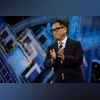
Toyoda has pushed back against criticism that the offer hands over too much for too little | Image: Bloomberg


By Nicholas Takahashi
Toyota Motor Corp.’s chairman kept his seat on the carmaker’s board at its annual meeting, where talk of selfies and sumo wrestlers overshadowed Akio Toyoda’s role in a contentious buyout of a group company.
Shareholders passed a motion on Thursday to appoint or reappoint six people, including Toyoda and Chief Executive Officer Koji Sato, to Toyota’s board of directors.
Although major proxy advisers backed Toyoda’s reelection — reversing their stance after voting against him in 2024 — investors got a chance to air their grievances as Toyoda faced them publicly for the first time since the Toyota group launched a 4.7 trillion yen ($32.4 billion) bid to privatise Toyota Industries Corp. Instead, not a single mention was made of the takeover, let alone the impacts US trade policy might have on the world’s biggest automaker.
Partway through the meeting, Toyoda reminisced about his longstanding personal friendship with a recently retired sumo wrestler. Later, one shareholder asked if he could trouble Toyoda for a picture together, which garnered broad laughter from other attendants.
Also Read

 "Toyota, Toyota logo")
 "KG Motors")
 "Toyota")
 "Toyota")
Questions about the privatisation of Toyota Industries and Toyoda’s role in it never came up.
That was in stark contrast to earlier this week at Toyota Industries’ annual meeting. The company that spawned Toyota Motor had what could be its final gathering as a public company on Tuesday. Executives spent most of the time fielding questions from individual shareholders who sought an explanation for why the buyout was conducted so abruptly, and why the tender offer fell short of the company’s market value.
The privatization of Toyota Industries aligns with the Japanese government’s push to resolve parent-child structures and chimes with its wish for big companies to unwind cross-held shares. But on the flipside, and what’s angering many activist and retail investors alike, is that it could also hand Akio Toyoda greater influence over the group at what some say is an artificially low price.
Toyota Fudosan Co., an unlisted real estate developer that counts 15 other companies within the Toyota group as its shareholders, will own most of Toyota Industries via a holding entity once the deal is completed.
The tender offer, at 16,300 yen per share, includes funding from Toyota Motor as well as 2.8 trillion yen in loans from the country’s top banks — Mitsubishi UFJ Financial Group Inc., Sumitomo Mitsui Financial Group Inc. and Mizuho Financial Group Inc. Toyoda, who is also Toyota Fudosan’s chairman, will personally invest 1 billion yen.
Shares in Toyota Industries are trading around the 16,340 yen mark but were as high as 18,400 yen earlier this month.
Toyoda has pushed back against criticism that the offer hands over too much for too little. The plan isn’t to tighten his family’s grip on the business group, he said in an interview published Friday on Toyota’s internal media website, but rather to restore the company’s identity and protect its future.
Independent of the Toyota Industries buyout, a growing number of Toyota Motor shareholders have over the years started to oppose Toyoda’s inclusion on the carmaker’s board. His share of affirmative votes fell from 96 per cent in 2022 to 85 per cent in 2023 and a record low 72 per cent last year. This year’s tally will likely be available in a few days once votes are counted.
Shareholders’ concerns center primarily around corporate governance, including accountability for safety scandals. Toyota and its group companies, including Daihatsu Motor Co. and Toyota Industries, have faced multiple certification testing violations that have raised questions about the company’s internal controls and oversight.
Toyota’s handling of the scandals led a pair of firms that advise large investors — Glass Lewis & Co. and Institutional Shareholder Services Inc. — to vote against Toyoda’s reelection in 2024. This year, however, both have backed his reappointment.
“There are no particular concerns about the nominee,” ISS said in May.
More From This Section
 "US army, US troops, National security guards")
 "Mahmoud Khalil")
 "Donald Trump, Trump")
 "Donald Trump, Trump, Elon Musk")
 "US President Donald Trump with North Korea's Kim Jong Un")
Topics : Toyota Toyota Motor Shareholders Toyota Motor Corp
Don't miss the most important news and views of the day. Get them on our Telegram channel
First Published: Jun 12 2025 | 9:56 AM IST