


What happens when you paint cows like zebras? Less bug bites and a prize
Japanese researchers showed that painting zebra-like stripes on Wagyu cows repels biting flies, earning them the 2025 Ig Nobel Prize in biology
 "Cows painted with zebra-like stripes")
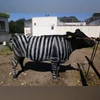
2025 Ig Nobel Prize in biology: Image of experimental cows with painted stripes to avoid bites from flies | Photo: National Library of Medicine
Listen to This Article
A team of Japanese researchers has been awarded the 2025 Ig Nobel Prize in biology for showing that painting zebra-like stripes on cows can protect them from biting flies. The award was announced at the 35th First Annual Ig Nobel Prize ceremony held at Boston University on Thursday evening (local time).
The Ig Nobels, organised by the Annals of Improbable Research, recognise studies that “first make people laugh, and then make them think”.
Why do Zebras have stripes?
For decades, scientists have debated why zebras have stripes. The most widely accepted theory is now that the black-and-white pattern deters biting flies.
A 2022 study published in Scientific Reports confirmed this, finding that stable flies strongly preferred to land on plain tan impala pelts rather than zebra pelts. “Our findings confirm that zebra stripes repel biting flies under naturalistic conditions and do so at close range,” the authors wrote.
In short: Stripes = fewer bug bites.
Also Read

 "Leading brokers are expected to increase brokerage rates in the coming weeks, as they navigate a series of regulatory changes that are expected to squeeze profitability.")
 "BSE, NSE, STOCK MARKETS")
 "Reserve Bank of India, RBI")
 "Jairam Ramesh")
 "Fire, Fire accident")
The study also ruled out the need for long-distance visual illusions.
“Stripes, and some other juxtapositions of black and white…repel flies,” the authors wrote, adding that the patterns likely interfere with the insects’ ability to orient and land.
From zebras to cattle: Stripes deter flies
Inspired by such research, Tomoki Kojima of the Aichi Agricultural Research Centre and colleagues tested whether striping could help Wagyu cattle, which often suffer from fly attacks.
The team painted white stripes on black cows and compared them with cows painted solid black and unpainted ones. Striped cows attracted fewer flies and engaged in fewer defensive behaviours, such as tail flicks and head shakes.
“[Painting] is a cheap, easy, and animal welfare-friendly method,” Kojima told The Scientist magazine. Farmers already use paint to identify cattle, he added.
Japanese farmers paint stripes on cattle
Following the 2019 trials, Japanese farmers began testing the method with long-lasting paints. Farmers told Asahi Shimbun in 2024 that they were sceptical about the approach but were then surprised to see it work. The farmer also noted there was no negative reaction from other cows.
Researchers suggest striping could be a more sustainable option than pesticides, which pose risks to both the environment and human health.
Beyond cattle: Other Improbable Research winners
This year’s Ig Nobel winners were recognised in 10 categories. Other awards went to studies on the effects of alcohol on foreign language skills, and a team of Indian scientists were recognised for studying the influence of smelly shoes on shoe rack use.
Accepting the prize, Kojima wore a zebra-striped shirt while colleagues circled him with mock flies. “We are deeply honoured to receive this award,” he said.
More From This Section
 "Prime Minister of Hungary Viktor Orban")
 "Softbank")
 "Donald Trump, Trump")
 "France")
 "Larry Ellison")
Topics : zebra Cattle disease-carrying mosquitoes Mosquito bug Japan BS Web Reports science & technology science research
Don't miss the most important news and views of the day. Get them on our Telegram channel
First Published: Sep 19 2025 | 2:22 PM IST