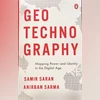
GEOTECHNOGRAPHY: Mapping Power and Identity in the Digital Age
Author: Samir Saran & Anirban Sarma
Publisher: Penguin/Viking
This book is sweeping in its scope and in terms of the trends and ideas it explores and examines. It looks at how technology is reshaping our world — from its impact on communities to civic engagement and to the way it even blurs geographical boundaries. And to explore and understand these, it does not merely stick to geography, technology and current times — it goes back in history, primarily European history, to examine the impact of Magna Carta on England and the Peace of Westphalia on warring European kingdoms. While the Magna Carta created a formal legal rights system, the Peace of Westphalia — essentially two treaties signed in 1648 that led to the end of the 30-year-war and the 80-year-war — gave rise to the concept of territorial integrity and state sovereignty.
The Westphalian Principles, as the authors point out, spread beyond European borders. Of course, territorial integrity and state sovereignty did not mean the end of wars or annexation of territories or anything of that sort. The French and US revolutions and multiple wars followed but, overall, certain principles had become embedded in what one can term as Western societies. This is all explored in the first chapter of the book.
In the next chapter, the authors go on to examine the impact of the Internet and the World Wide Web (or the Cyberspace) on communities. Online communities, they point out, have an impact far beyond geographical borders. The rise of outsourcing work is an easy example explored earlier as well in other works. But the authors also point to how the efforts to save Mumbai’s Aarey Forests gained national attention, far beyond the local populace. Using social media, the activists managed to rally concerned citizens across the country and beyond.
The authors examine the early days of the Internet, the development of walled gardens and gated communities in cyberspace and the rise of new tribalism. They also note the diminishing authenticity caused by the rise of fake news on the Internet. The biases and prejudices built into algorithms of all kinds are also examined in some depth.
The book moves on to explore the way digital technologies, the Internet and the rise of social media has affected individualism and also the individuals relationship with others, the personal and the interpersonal, and how digital connectivity even impacts the way we identify ourselves.
The rapid rise of artificial intelligence — particularly the powerful large language models (LLMs) and the race towards artificial general intelligence (AGI) pose fresh dangers. Digital technologies can now well undermine the old, established principles of yore — including the Westphalian principles. Powerful technology barons could upend the sovereignty of states, upset long held common norms and principles and even upturn international institutions and global agreements.
There are potential remedies that the authors explore at the end of the book — except that how well they will work depends on the state’s own ability to create proper regulations and enforce them. But if the state itself has been compromised or co-opted by Big Tech, this may be a tall order.
The book is not meant to make you feel good — it is bound to jolt you from complacency. And that makes it an extremely important book for everyone whose life has been touched by digital technologies.
The reviewer is former editor, Business Today and Businessworld and editor, Prosaicview.com, www.prosaicview.com


 "'GeoTechnoGraphy' book offers cold comfort in the rise of digital tech")









