


Blade Runner 2049 reminds mankind of degrading conscience, extinction
Picking up from its prequel, Blade Runner, the sci-fi classic set 30 years apart, director Denis Villeneuve plunges the viewers directly into the chaos of a new world order
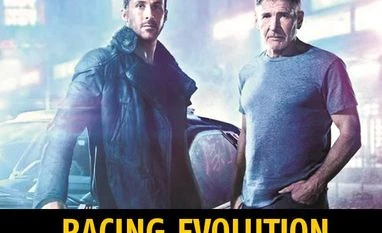 "Blade Runner 2049")
premium
Blade Runner 2049
Films have envisioned mankind’s obscure future in many destructive manifestations. The obliteration of the atmosphere through natural disasters, a catastrophic nuclear destruction in a final war of the worlds or the first and final malevolent encounter with a superior alien species on earth, all of them seeded by one common theme. Humans are destined to self-destruct. The end presented, however, is never devoid of hope. Human supremacy almost always kindles a new dawn.
Blade Runner 2049 does not give in to this lack of imagination. Picking up from its prequel, Blade Runner, the sci-fi classic set 30 years apart, director Denis Villeneuve plunges the viewers directly into the chaos of a new world order. Like biblical mythology speaks of a paradise lost after god created man in his image, Villeneuve’s world is a post-apocalyptic rendition of man’s war for liberation with its near-perfect bots.
Yet, Blade Runner 2049 is not scripted to demonise a futuristic world that delivers an action-packed climactic burst of wars. It delves deeper into the psyche of machines that aspire to be “more human than humans”. The destruction that ensues with man’s first conflict with machines, thus, only forms the background of the film, and is a story told, but not as part of the script.
Instead, Villeneuve and his team of artistes have created three short films, which dramatise the events that took place in the time lag of 30 years after the first movie. These give a sneak preview and set the base for what unfolds in the film. While the new Blade Runner stands on its own, it’s advisable to watch the short stories to better appreciate the vision of its creators.
Blade Runner 2049 does not give in to this lack of imagination. Picking up from its prequel, Blade Runner, the sci-fi classic set 30 years apart, director Denis Villeneuve plunges the viewers directly into the chaos of a new world order. Like biblical mythology speaks of a paradise lost after god created man in his image, Villeneuve’s world is a post-apocalyptic rendition of man’s war for liberation with its near-perfect bots.
Yet, Blade Runner 2049 is not scripted to demonise a futuristic world that delivers an action-packed climactic burst of wars. It delves deeper into the psyche of machines that aspire to be “more human than humans”. The destruction that ensues with man’s first conflict with machines, thus, only forms the background of the film, and is a story told, but not as part of the script.
Instead, Villeneuve and his team of artistes have created three short films, which dramatise the events that took place in the time lag of 30 years after the first movie. These give a sneak preview and set the base for what unfolds in the film. While the new Blade Runner stands on its own, it’s advisable to watch the short stories to better appreciate the vision of its creators.
Blade Runner 2049