


Inside the big fat Indian wedding: conservatism, competition and networks
The most luring aspect of an elite Indian wedding is its claim to a global yet Indian sensibility
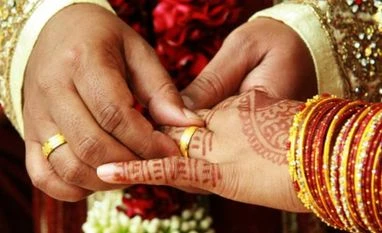 "Elitist weddings are more than about conspicuous consumption or celebrations of new kinship bonds. They are a show of strength, a glamorised return to tradition, and a celebration of social conservatism")
Sociologist Patricia Uberoi writes that in South Asia, weddings are “the most visible site of conspicuous consumption and conspicuous waste”.
But my ongoing research, on the elites reveals that their weddings are more than about conspicuous consumption or celebrations of new kinship bonds. They are a show of strength, a glamorised return to tradition, and a celebration of social conservatism.
The glamour of traditions
The most luring aspect of an elite Indian wedding is its claim to a global yet Indian sensibility, bringing together the “western” and the “Indian” into the wedding experience.
Consequently, the line-up of the wedding events includes traditional ceremonies associated with community-specific wedding rituals like dholki – a Punjabi ceremony of singing and dancing to the beats of a drum (dholak) – as well as westernised events such as cocktail parties, bachelorette parties, and grand receptions with multi-tiered cakes.
This Indo-western fusion is best exemplified in gastronomical selections that invariably include Chinese, Lebanese, Italian, Japanese, North Indian and South Indian cuisines all reaching the humble palate of their guests.
The most popular appropriation of a globalised culture is the hiring of professionals to oversee the wedding preparations. In Indian weddings, the uncles, aunts, and cousins usually perform organisational tasks, often at the directions of the family priest (pandit for Hindus). However, the elites have set the trend of hiring a wedding planner who has most conspicuously displaced the pandit, and taken on the roles of the extended kin who have little more duties than to look their very best.In this professionalised approach to wedding planning, elites have begun the trend of celebrating some of the most traditionally muted rituals with much glam and glitz, which would otherwise be celebrated with austerity especially in a middle class setting. For example, at the elite weddings I attended, for the small ceremonies of haldi (smearing the bride and groom’s body with turmeric powder) and gharcholi (bathing the bride and groom with holy water), a troupe of singers was invited and silver coins were given to the attendees.
The practice of giving a dowry is also modified. At one elite wedding I studied, the groom was given an Audemars Piguet watch costing approximately £10,000, a BMW 7 series car, and £50,000 in cash. There is an insistence, especially by the father of the bride, to treat this not as dowry, but only as a gift, as the bride-to-be too, it is argued, is gifted expensive jewellery and clothes by her in-laws.Dowry then, assumes a muted presence, shrouded in the ostentatious display of wealth and generosity of gift-giving.
As the elites flirt with western lifestyle trends, they often still remain married to a strict social conservatism, specifically of marrying within caste and class (endogamous marriage). Often introduced by marriage brokers, who charge anywhere between £1,500 to £10,000 for their services, or through networks of family, young elites marry someone with a similar social, caste, and financial status, thereby ensuring that the exclusionary boundaries of their communities are well maintained.
Creating a phenomenon
The elite weddings can be seen not simply as series of ostentatious events but a phenomenon for much effort and money is put into creating an experience.
The journey begins right from the wedding invitations, where simple paper invitations are giving way to outrageously luxurious ones: the most recent being a box inlaid with LCD screens, playing a Bollywood-style video message.
The next step is to choose a destination away from home to perform the wedding ceremonies. Elite families compete most conspicuously on this decision, as they jostle to hire the most expensive heritage hotel or palace in India, popularly in the cities of Udaipur and Jodhpur. Some claim the highest bid by choosing an international exotic destination, such as Vienna.
It is not that the Indian super-rich do not marry in Delhi, however. I noted that the invitations to the “in-house” weddings often took an apologetic tone. The son of a leading businessman in Delhi, at no probing on my part, followed up his wedding invitation with an explanation of why he was not organising a destination wedding. He said: