


Carry positions can hurt exchange rate and cause inflation, says SBI
This is particularly important for the Reserve Bank of India (RBI) as it works under an inflation-targeting regime
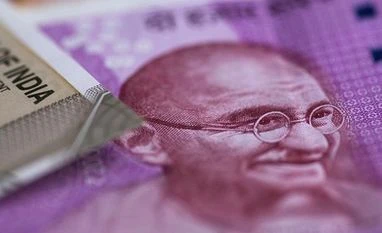 "Rupee")
premium
The combination of two instruments — interest rates and sterilised intervention — to achieve price stability and exchange rate stability objectives is needed
A huge buildup of carry positions could negatively impact the exchange rate and lead to inflation, State Bank of India’s (SBI)’s economic research arm warned on Monday.
“With significant open positions in USD-INR carry trade, a vibrant non-deliverable forward market with big players and a high forward premia... if due to any event, the positions are unwound, it can put significant depreciating pressure on the rupee, thus impacting inflation adversely,” wrote Soumya Kanti Ghosh, chief economic advisor of the SBI group, in a report.
This is particularly important for the Reserve Bank of India (RBI) as it works under an inflation-targeting regime. However, the current situation has forced it to focus more on growth, while making sure that the system is financially stable.
Inflation can alter by 0.1-0.13 per cent for every 1 percentage point change in exchange rate, “warranting that the exchange rate be closely monitored as a key information variable for the conduct of monetary policy”, Ghosh argued.
In the RBI’s quarterly projection model, the exchange rate component does get factored in implicitly. “However, with the principle of one variable for one target, the MPC cannot explicitly target the exchange rate, while targeting the interest rate as well,” Ghosh said.
Therefore, the report proposed, the RBI can adopt exchange rate-anchored inflation targeting.
“With significant open positions in USD-INR carry trade, a vibrant non-deliverable forward market with big players and a high forward premia... if due to any event, the positions are unwound, it can put significant depreciating pressure on the rupee, thus impacting inflation adversely,” wrote Soumya Kanti Ghosh, chief economic advisor of the SBI group, in a report.
This is particularly important for the Reserve Bank of India (RBI) as it works under an inflation-targeting regime. However, the current situation has forced it to focus more on growth, while making sure that the system is financially stable.
Inflation can alter by 0.1-0.13 per cent for every 1 percentage point change in exchange rate, “warranting that the exchange rate be closely monitored as a key information variable for the conduct of monetary policy”, Ghosh argued.
In the RBI’s quarterly projection model, the exchange rate component does get factored in implicitly. “However, with the principle of one variable for one target, the MPC cannot explicitly target the exchange rate, while targeting the interest rate as well,” Ghosh said.
Therefore, the report proposed, the RBI can adopt exchange rate-anchored inflation targeting.