


IL&FS crisis: Firms to be compensated for cost hike in raw material
The IL&FS is grappling with arbitration claims worth around Rs 70 bn with the National Highways Authority of India, which are under various stages of resolution
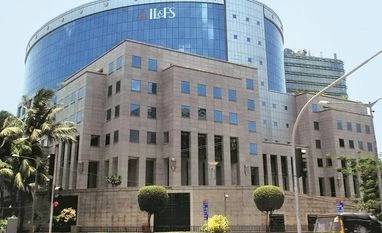 "IL&FS")
premium
IL&FS
As far as arbitration cases with Infrastructure Leasing and Financial Services (IL&FS) are concerned, any cost escalation on account of raw material because of a change in law will be compensated to the company if it provides a proper invoice, an official said.
The IL&FS is grappling with arbitration claims worth around Rs 70 billion with the National Highways Authority of India, which are under various stages of resolution. The Union government is of the view that if there is any cost escalation in raw material due to a change in law, it will be compensated to the company.
The IL&FS is grappling with arbitration claims worth around Rs 70 billion with the National Highways Authority of India, which are under various stages of resolution. The Union government is of the view that if there is any cost escalation in raw material due to a change in law, it will be compensated to the company.