In his letter, Singh also alleged that the CM is protecting the rights of a private power distribution company (discom) that operates in Kolkata, official sources said.
West Bengal has a private power discom CESC (promoted by R P Goenka group) in some parts of capital city Kolkata.
Singh's letter is in response to Banerjee's letter to the Prime Minister saying states were not consulted in drafting the Electricity Bill, 2021 and that it will lead to concentration of private profit-focused utility players in the “lucrative urban-industrial segments, while poor and rural consumers would be left to be tended by public sector discoms.”
Singh countered her, saying states were consulted and that she "has not been briefed properly".
The minister also said the Bill aims to delicense the power distribution business in the country, which is mostly state-owned. He alleged that as Kolkata has a private discoms, with these amendments, it will face competition. "Why do you want to protect this private company is not clear?" Singh wrote.
Citing the example of Mumbai, Singh said, the present Bill provides for more than one discom in an area.
This is the second time that Singh has responded to the CM's reservations on the Electricity Bill. In August, shortly after Banerjee wrote to the PM, Singh was reported citing that the Bill would end government and private monopolies in power distribution.
“There must be competition in this sector so that people can choose a distribution company which gives more efficient service at lower prices,” Singh had said then.
The proposed new Bill was slated to be placed on the floor of the Parliament in the last monsoon session. The Bill awaits Cabinet approval too but several states including Maharashtra, Tamil Nadu and Kerala have complained that they were not consulted before it was finalised.
The Centre in April 2020 unveiled the first set of draft amendments to the Electricity Bill, 2003 and has asked the states to submit their comments. Major amendments included an end to subsidised power rates replacing it with ‘direct benefit transfer’ (DBT) of subsidy, reduction of cross-subsidy burden on industrial consumers, new contract enforcement authority and new selection process for existing state electricity regulatory commissions (SERCs).
In February, the Centre further amended the existing Electricity Act, 2003 to abolish power “distribution licence” and allowed any company to supply electricity in an area, after necessary regulatory approval. With this, the Centre ended the monopoly of existing power distribution companies (discoms), which are mostly state-owned entities, and any and every area was thrown open to be offered to private discoms.


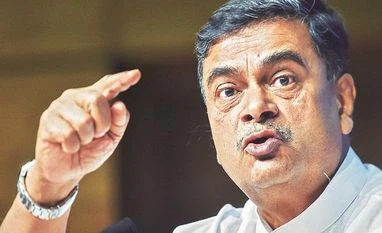 "R K Singh")

