


Ranked 129, India marginally improves in human development index in 2018
The overall index, given in the 2019 HDI report of UNDP, showed that India scored 0.647 in 2018, as against 0.643 in the previous year. The score is calculated in the range of zero to one
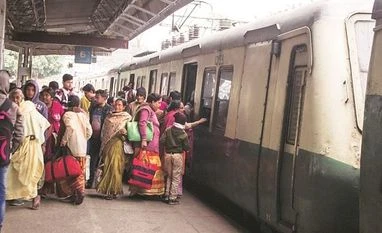 "HDI, UNHDR, UNDP, Human development Index, United nations, poverty, women, trains, railways, jobs, workers, employees")
premium
Over the years, India’s HDI rank has improved steadily due to reduction in absolute poverty, along with gains in life expectancy, education, and access to health care.
India's ranking in the human development index (FDI) improved marginally by a notch to 129 in 2018, showed a report released by the United Nations Development Programme (UNDP) on Monday.
UNDP, however, warns of inequalities that India might have to grapple with. The report also found that despite progress, group-based inequalities persist in India, especially affecting women and girls.
According to the report, more Indians were showing biases in gender social norms, indicating a backlash to women’s empowerment.
The overall index, given in the 2019 HDI report of UNDP, showed that India scored 0.647 in 2018, as against 0.643 in the previous year. The score is calculated in the range of zero to one.
Over the years, India’s HDI rank has improved steadily due to reduction in absolute poverty, along with gains in life expectancy, education, and access to health care.
In India, 271 million people were lifted out of poverty from 2005-06 to 2015-16, UNDP India Resident Representative Shoko Noda said, while releasing the report, “Beyond income, beyond averages, beyond today: inequalities in human development in the 21st century”.
India’s development initiatives such as the Pradhan Mantri Jan Dhan Yojana (for financial inclusion) and Ayushman Bharat (for universal health care) were crucial in ensuring that “we meet our promise to leave no one behind and fulfill PM's vision of development for all”, she said.
According to HDI, no region, other than south Asia, has experienced such rapid human development progress, Noda said.
South Asia was the fastest-growing region, witnessing 46 per cent growth during 1990-2018, followed by East Asia and the Pacific at 43 per cent.
“India’s HDI value increased by 50 per cent (from 0.431 to 0.647), which places it above the average for countries in the medium human development group (0.634) and above the average for other South Asian countries (0.642),” Noda said.
Elsewhere in the region, Indonesia and the Philippines both joined the ranks of countries with high human development.
She said for countries like India, which had shown great success in reducing absolute poverty, “We hope that HDR 2019 sheds light on inequalities and deprivations that go beyond income. How we tackle old and new inequalities, ranging from access to basic services such as housing to things like access to quality university education, will be critical to whether we achieve the sustainable development goals”.
South Asia also saw the greatest leap in life expectancy and years of schooling. For India, between 1990 and 2018, life expectancy at birth increased by 11.6 years, mean years of schooling increased by 3.5 years and expected years of schooling increased by 4.7 years. Per capita incomes rose by over 250 per cent, according to the report.
UNDP, however, warns of inequalities that India might have to grapple with. The report also found that despite progress, group-based inequalities persist in India, especially affecting women and girls.
According to the report, more Indians were showing biases in gender social norms, indicating a backlash to women’s empowerment.
The overall index, given in the 2019 HDI report of UNDP, showed that India scored 0.647 in 2018, as against 0.643 in the previous year. The score is calculated in the range of zero to one.
Over the years, India’s HDI rank has improved steadily due to reduction in absolute poverty, along with gains in life expectancy, education, and access to health care.
In India, 271 million people were lifted out of poverty from 2005-06 to 2015-16, UNDP India Resident Representative Shoko Noda said, while releasing the report, “Beyond income, beyond averages, beyond today: inequalities in human development in the 21st century”.
India’s development initiatives such as the Pradhan Mantri Jan Dhan Yojana (for financial inclusion) and Ayushman Bharat (for universal health care) were crucial in ensuring that “we meet our promise to leave no one behind and fulfill PM's vision of development for all”, she said.
According to HDI, no region, other than south Asia, has experienced such rapid human development progress, Noda said.
South Asia was the fastest-growing region, witnessing 46 per cent growth during 1990-2018, followed by East Asia and the Pacific at 43 per cent.
“India’s HDI value increased by 50 per cent (from 0.431 to 0.647), which places it above the average for countries in the medium human development group (0.634) and above the average for other South Asian countries (0.642),” Noda said.
Elsewhere in the region, Indonesia and the Philippines both joined the ranks of countries with high human development.
She said for countries like India, which had shown great success in reducing absolute poverty, “We hope that HDR 2019 sheds light on inequalities and deprivations that go beyond income. How we tackle old and new inequalities, ranging from access to basic services such as housing to things like access to quality university education, will be critical to whether we achieve the sustainable development goals”.
South Asia also saw the greatest leap in life expectancy and years of schooling. For India, between 1990 and 2018, life expectancy at birth increased by 11.6 years, mean years of schooling increased by 3.5 years and expected years of schooling increased by 4.7 years. Per capita incomes rose by over 250 per cent, according to the report.