The Indian Foundation of Transport Research and Training (IFTRT) says in the first fortnight (July 1-15) of GST implementation, 40 per cent of the truck fleet was almost non-operational. And, the entire fleet was underutilised, as untaxed and GST non-compliant cargo booking stopped.
Cargo of agricultural items, fruits and vegetables dropped by 25-30 per cent this month, it says.
A document prepared by the road transport ministry on the impact of GST on the logistics sector has claimed trucks cover at least 30 per cent more distance every day after GST roll-out. A typical truck spends 20 per cent of its run time at interstate checkposts. On an average, a truck in India runs an annual distance of 60,000 km, against 200,000 km in the West, which results in substantial increase in freight cost, the booklet added.
The IFTRT report said in the first fortnight of July, interstate highways without border checkposts lacked a national e-way bill digital transit pass system to check cargo and traffic moved faster by 11-40 per cent And, that the total of transit time i.e., booking of cargo and ultimate delivery, was no way close to the 30 per cent higher efficiency claimed by the ministry.
IFTRT says trucks travelled faster but had to wait for a return load for four to five days, against the normal one or two days. In the past week, it adds, illegal untaxed consignments are moving with impunity on intrastate and interstate routes. This situation can be checked only till a national e-way bill digital transit pass system or superior alternative is in place.
The ministry booklet says the end of border checkposts, reduction in congestion on highways and logistics firms avoiding wasteful expenditure on tax compliance and deposit of interstate sales tax would reduce logistics cost by 10-12 per cent.


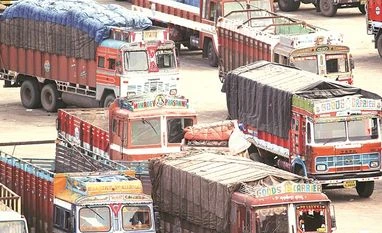 "Truckers counter govt claim, say lower volumes, not GST, cut travel time")