It may be recalled that the revised PCA framework for Scheduled Commercial Banks (SCBs) was issued on November 2, 2021. NBFCs have been growing in size and have substantial inter-connectedness with other segments of the financial system. Accordingly, a PCA framework for NBFCs has also been put in place to further strengthen the supervisory tools applicable to NBFCs. This shall apply to:
a) All deposit taking NBFCs (excluding government companies),
b) All non-deposit taking NBFCs in middle, upper and top layers (excluding - (i) NBFCs not accepting/not intending to accept public funds; (ii) government companies, (iii) primary dealers and (iv) housing finance companies).
The PCA framework for NBFCs shall come into effect from October 1, 2022, based on the financial position of NBFCs on or after March 31, 2022. A separate circular would be issued in due course with regard to applicability of PCA Framework to government NBFCs, said RBI in a statement.
The ongoing stress at NBFCs was triggered by a series of payment defaults and delays by Infrastructure Leasing & Financial Services. It was followed by defaults in interest payments by Dewan Housing Finance Corporation and also a default in payment to another lender by Altico Capital.
At present, the RBI uses PCA as an early-warning tool, to maintain the financial health of commercial banks — whether state-owned or private. It is initiated once set thresholds on capital, asset quality, and NPAs are breached. The framework has been in place since 2002 and was tightened by the RBI in 2017.


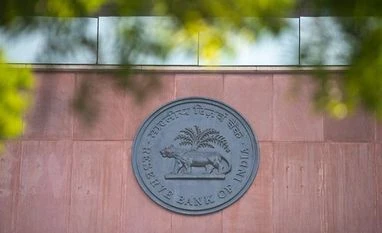 "RBI, Reserve Bank of India")