HIV does not mean AIDS - The human immunodeficiency virus (HIV) weakens the body's immune system, making it more vulnerable to infection. In the most advanced stages of the disease, any small infection that the body would have got rid of in normal times can turn into a serious illness. It is from this moment that one can say that the person has AIDS (for acquired immunodeficiency syndrome). In fact, AIDS is the name of the disease caused by the HIV virus.
AIDS can take 10 years to manifest - There are no specific symptoms of HIV infection, some people may have some fever, sore throat, weakness a few weeks after transmission, but of course these symptoms can match any other benign infection too. Later the virus gradually attacks the immune system of the infected person. The patient can even live for 10 years without knowing that he or she is infected, and then overnight be diagnosed as HIV positive. During these 10 years, the person will appear to be in perfect health, but will still be able to transmit the virus unknowingly.
Sexual transmission is the most common transmission method - Transmission of the virus via syringes was a common affair during the early days of the beginning of the epidemic. But transmission through the said method has vastly reduced with awareness. Today, unprotected sex is the most common route of HIV transmission. Sexual fluids (sperm and vaginal secretions) have a high concentration of the virus. More than 80% of infected people have caught the virus after sex with an infected partner without protection.
HIV is not transmitted via kissing - Bodily fluids such as saliva, sweat or tears do not contain the virus thus hugs, kisses, exchange of cutlery, sharing a glasses and more doesn’t transmit the virus. In extreme cases if blood gets exchanged due to lesion in the mouth of the infected person while kissing one may get infected.
People with other STDs or STIs are at higher risk of contracting HIV - People who suffer from sexually transmitted infections such as herpes, chlamydia, gonorrhea or syphilis are at higher risk of contracting the HIV virus because these diseases cause lesions that can then help the HIV virus infect an individual.
Gay and bisexual men are at a higher risk - Homosexual men are at a higher risk of HIV infection as the practice of sodomy is associated with a greater risk. Although with greater awareness cases of HIV infection in homosexual population is also at a decrease.
Women are at a higher risk - A woman is eight times more likely to contract the virus during a relationship with an infected person than a man. During penetration, the vagina experiences small, imperceptible lesions that are a pathway for the virus. Also, sperm is considered the most infected fluid in the body after the blood.
HIV can be controlled - There is still no cure for HIV, but the virus can be treated with antiretrovirals so that infected people can live near normal lives. Drugs also decrease the concentration of the virus in the bodily fluids of an infected person thus reducing the risk of transmission. However, when these treatments stop, the virus reappears systematically in the blood of infected people and continues to progress. Delay in diagnosis is a major concern when it comes to the HIV virus.
When to get tested? - If an individual has had unprotected sex with an unknown partner, it is best to wait six weeks before one get tested for HIV. Most people go through a period when the antibodies are manufactured and they fight against the virus and therefore the virus may not be detected absolutely immediately after one getting infected.


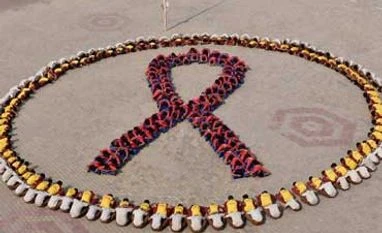 "PTI")