


Mutual fund flows into equities are at a risk: Chris Wood of CLSA
Another concern as regards India, Wood says, is the absence of a meaningful recovery in corporate earnings. Though the aggregate trend is likely to reverse, this, he says, comes on a lower base
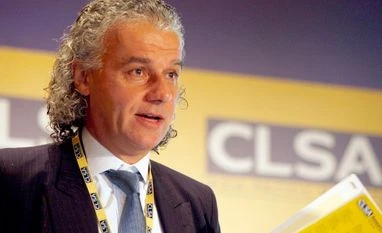 "Christopher Wood")
premium
Christopher Wood
With the markets ruling at an all-time high given the gush of liquidity, especially by mutual funds, experts have started to worry about whether this pace of inflow can continue going ahead. Christopher Wood, managing director and equity strategist at CLSA in his weekly note, GREED & fear questions whether the scale of inflows witnessed thus far will be sustained in coming months given the pending issuance of new equity that the stock market will have to absorb.
Also Read: Mutual funds drive markets to lifetime highs
Also Read: Mutual funds drive markets to lifetime highs