The government is right to ensure that the old public-sector monopoly is broken up and new sources of investment are brought into the resource-extraction sector. It is essential that, even with a continuing public-sector presence, a proper market emerges in this sector, allowing for greater competitiveness and enhanced technology to be used. However, there is one important building block of such a sector that is still missing. And this is the absence of a proper regulator for the coal sector, or the mining segment more broadly. Private-sector participation — not to mention private-public competition — in a sector without an empowered and independent regulator is a recipe for disaster. The importance of the Telecom Regulatory Authority of India and the Directorate General of Civil Aviation, both of which supervise sectors that have private-sector entry and public-private competition, shows how vital the principle of independent regulation is in such businesses.
Indeed, the resource-extraction sector is even more in need of such an independent regulator because of both its history and special characteristics as compared to civil aviation and telecom. Mining has serious environmental consequences. It can also lead to the disruption of the lives, livelihoods, and lifestyles of local communities, and in some cases to outright displacement. The regulator should be empowered to go into these and other issues, including ensuring scientific mining that does not damage coal seams, and ensuring also that those with licences stick to their designated areas. That a national authority is required to examine these issues is clear also from the history of mining in India during the last commodities boom.
When demand from China for iron ore was particularly high, for example, concessionaires bent and outright broke rules by the dozen without any regulatory pushback. The erstwhile Karnataka Lok Ayukta, Justice Santosh Hegde, wrote a hard-hitting investigative report about illegal mining at the height of the commodity price bubble in the 2000s. Illegal export, transportation across state lines, extension beyond licensed claims, and blatant environmental damage all figured. India cannot rely on such episodic oversight of such a crucial and sensitive sector. An independent regulator is overdue, and must be the first priority for the government.


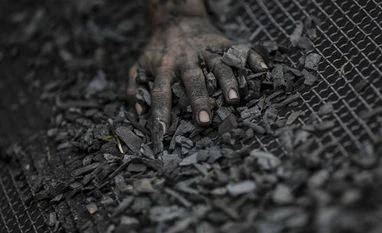 "coal")