


PDS and the decline of farming
Education and the consequent rise in aspirations has also resulted in many veering away from agriculture
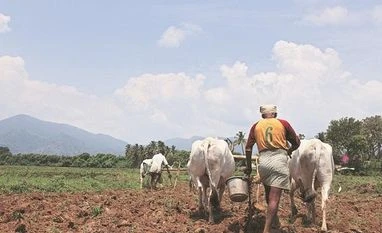 "farmer, agriculture")
premium
"I miss them,” sighs Rita Devi, gazing into her now empty cowshed. We are in her house in Kandhbari, a sleepy hamlet in Kangra, Himachal Pradesh. “There was a time when many people kept cows in the village,” she says. Today, most of us find it easier and cheaper to buy milk at Rs 25 per litre from a local dairy. She runs the village Anganwadi but spends her mornings in her fields, where her family grows onions, garlic, corn and wheat. “It’s a hobby, not a necessity,” she says. “Farming gives me something constructive to do when I’m back from the Anganwadi.” However, this “hobby” too may not last long. Under National Food Security Act, 2013, up to 75 per cent of village population can be identified as eligible for food security. Consequently, with wheat being available in the government ration shop for less than Rs 6 or less per kilo; rice at Rs 8 or less (depending on the household’s level of poverty) — it seems to have become cheaper for people like her to buy, than to grow their own food here.
Disclaimer: These are personal views of the writer. They do not necessarily reflect the opinion of www.business-standard.com or the Business Standard newspaper