


Pure controversy
CSE's report on honey points to the need for better standards
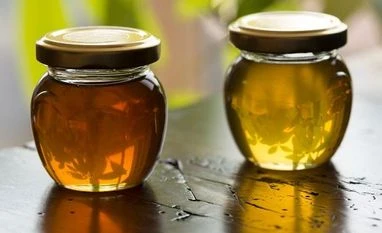 "Honey")
premium
India’s lax food standards stand exposed yet again with a study by the Centre for Science and Environment (CSE) reporting widespread adulteration in branded honey. Almost all the top brands had passed the tests of purity in India but when the same brands were tested using Nuclear Magnetic Resonance (NMR) currently being used globally, only three out of the 13 passed muster. These tests, carried out at a specialised laboratory in Germany, prove how the business of adulteration has evolved so that it can pass the stipulated tests in India. All the brands that failed the test advertised themselves as “pure” but allegedly showed a high concentration of sugar syrups. Interestingly, the Food Safety and Standards Authority of India (FSSAI) had implicitly acknowledged that this practice was rampant and had made NMR testing mandatory for honey for export from August 1 this year. It had also warned importers and state food commissioners that rice syrup, golden syrup (made from cane sugar), and invert sugar syrup were being used to adulterate honey. CSE investigations revealed, however, that these three sugars were either not imported under these names or are not indicated for adulteration. Instead, the CSE report stated, Chinese importers — including on portals such as Alibaba — were offering branded honey makers fructose syrup that can bypass FSSAI’s 2020 standards for honey, an indication perhaps that the food standards regulator was unaware of the extent of the scam.