


What's the job of any railways in the world?
...To run trains, not run schools. Indeed, other than India, Bangladesh, Pakistan and Uganda, there is no other place where railways run schools
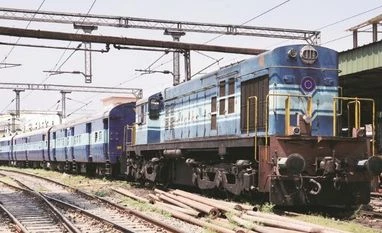 "railways, train, rail")
premium
On December 31, 1879, the government bought/nationalised EIRC, but lines were leased to EIRC (till 1919) so that the company could continue to run trains on them
G Huddleston was Chief Superintendent of East Indian Railway. In 1906, he published a book (publishers were Thacker, Spink and Company, Calcutta), History of the East Indian Railway. One of the chapters is titled “Hill School”. East Indian Railway Company (EIRC) was set up in 1845 and built many lines we know about. On December 31, 1879, the government bought/nationalised EIRC, but lines were leased to EIRC (till 1919) so that the company could continue to run trains on them. The first paragraph of the chapter states, “On the purchase of the undertaking by Government on 1st January, 1880, it was, as already explained, found that a sum of over four lakhs of rupees remained at credit of the Saving Bank and Fine Funds; the former representing profits on working and the latter the unexpended accumulations of fines levied from the staff.” How was this money to be spent? How about a school “for the education of the children of the European and Eurasian employees”? “The Company had already provided and subsidised schools at each of the large stations in the plains, both for the domiciled and the native staff, but there was a demand, on the part of the former class, for the benefits of a hill climate for their children during the hot season.” (a) There was some surplus money. (b) There were schools in the plains, but European employees wanted a hill climate for their wards.
Disclaimer: These are personal views of the writer. They do not necessarily reflect the opinion of www.business-standard.com or the Business Standard newspaper