


'Solar scam' turns heat on Chandy govt in 2013
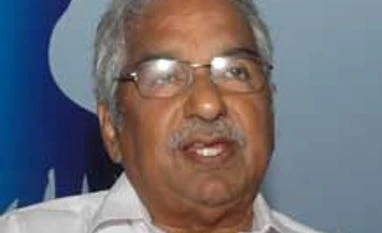
Chandy found himself under attack over the solar scam since July from the CPI(M)-led Opposition
)
For Kerala, 2013 was a year of intense political heat with the solar scam haunting the government led by Oommen Chandy, who also had to deal with factionalism in the state Congress unit.
A bountiful monsoon, however, brought cheer among the people as it filled the state's reservoirs and improved the power scenario after a rain-deficient year.
After being assertive for two years despite the slender margin he enjoys, Chandy found himself under attack over the solar scam since July from the CPI(M)-led Opposition.

Over the months, it snowballed into a full-blown scam with the arrest of the main accused duo of Saritha Nair and Biju Radhakrishnan, who financially cheated several persons by offering them solar energy solutions, and also a personal aide of Chandy for allegedly helping them.
The Opposition LDF launched a prolonged agitation, which often turned violent, demanding Chandy's resignation despite the government ordering a judicial probe.
The chief minister also faced internal threats with the faction in the Congress broadly identified with KPCC president Ramesh Chennithala hitting at him overtly and covertly.
Earlier, the ministry's image took a beating with the then forest minister K B Ganesh Kumar of Kerala Congress (B) forced to resign at the height of domestic disputes.
A shrewd politician and mass leader, Chandy, however, steered clear of much of the crises and went ahead with his Mass Contact Programme (MCP) of directly engaging with people in all the districts.
The 2012 edition of MCP won Chandy the coveted UN award for public service as a unique programme that saw the head of an administration engaging directly with masses to hear their complaints and find speedy solutions.
The LDF, however, dubbed it as a "mere political gimmick" which only made a mockery of the grassroot level administration and civic bodies.
As a state where over a million families depend on remittances sent by expatriates from the Gulf, Saudi Arabia's 'nitaquat' policy of reserving a good portion of jobs to native people created anxieties in Kerala.
However, the inflow of returnees was not as large as feared initially as many of the Keralites in the Gulf country legalised their work permits utilising the amnesty offered by the Saudi administration.
Don't miss the most important news and views of the day. Get them on our Telegram channel
First Published: Dec 18 2013 | 10:10 AM IST