


Explained: What is augmented reality and what are the challenges in future?
Many people have started to hear about virtual reality, which is generally an immersive fully virtual world that doesn't include aspects of the user's real environment
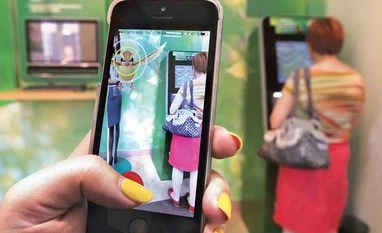 "Pokemon GO")
premium
Augmented reality systems show virtual objects in the real world – like cat ears and whiskers on a Snapchat selfie, or how well a particular chair might fit in a room. The first big break for AR was the “Pokémon GO” game, released in 2016 with a feature that let players see virtual Pokémon standing in front of them, ready to be captured and played with. Now, technology companies like Microsoft and Mozilla – the company behind the Firefox browser – and even retail businesses like IKEA and Lego are exploring the potential of AR.
Where I do research, an AR lab at the University of Michigan School of Information, it seems everyone knows about AR and is excited about the technology becoming popular among the general public. My colleagues and I watch videos of impressive AR demonstrations, try out new applications and play with new devices. The research community’s enthusiasm may be why several experts – including some I talk with – say they expect AR to be commonplace in five years, or envision AR glasses replacing smartphones within a decade.