


No threat to India from upper Brahmaputra mega dam project, says China
India has expressed serious concern over the strategic and environmental implications of the project with the potential of it being used a tool during geo-political tensions
 "India china")
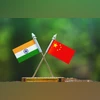
India has expressed serious concern over the strategic and environmental implications of the project. (Photo: Shutterstock)
Listen to This Article
China on Wednesday defended the launch of its massive hydropower dam on the Brahmaputra river in the environmentally sensitive Tibetan region, asserting that the project poses no threat to India or Bangladesh, both downstream countries the river flows through.
Chinese Foreign Ministry spokesperson Guo Jiakun said at a briefing that the dam “will not have any negative impact on the downstream regions”. He added that China has maintained communication with India and Bangladesh on the matter, and that it continues to share hydrological data and cooperate on flood prevention and disaster relief.
The project, which is being developed near the Line of Actual Control (LAC) at Nyingchi City — close to Arunachal Pradesh — was formally announced by Chinese Premier Li Qiang on Saturday. The river, called Yarlung Zangbo in Tibet, flows into India as the Brahmaputra and subsequently into Bangladesh.
India is reportedly keeping a close watch on what could become the world’s largest hydropower station. The dam is projected to generate over 300 billion kilowatt-hours of electricity annually — more than the total yearly consumption of the United Kingdom.
Also Read

 "Bargi Dam")
 "India china")
 "S Jaishankar, Seyed Abbas Araghchi, India Iran, Iran India")

 "Union ministers Kiren Rijiju (left) and Rajiv Ranjan ‘Lalan' Singh with spiritual leader Dalai Lama (centre) during the latter's birthday celebrations in Dharamshala. Several Indians, including former foreign secretary Nirupama Menon Rao and educatio")
Why is China building a dam near Arunachal Pradesh?
Beijing has positioned the dam as a key component of its green energy ambitions. Incorporated in China’s 14th Five-Year Plan and long-term development blueprint through 2035, the project is intended to bolster clean energy production, reduce carbon emissions, and address climate change. According to a Reuters report, the dam could produce as much electricity in a year as the UK consumes.
Chinese officials also claim that the project will provide flood control benefits, stimulate infrastructure growth, generate employment, and act as an economic booster for sectors such as construction and equipment manufacturing. With an estimated cost of $167 billion to $170 billion (around 1.2 trillion yuan), it is expected to support China’s bond markets and reinforce its energy security goals.
Why is India worried about the Chinese dam?
India has expressed serious concern over the strategic and environmental implications of the project. Officials in New Delhi worry that China’s upstream control of a critical transnational river could give it the ability to manipulate water flow — using it as a geopolitical tool in times of conflict.
Arunachal Pradesh Chief Minister Pema Khandu has described the project as a “ticking water bomb” and an existential threat. “The issue is that China cannot be trusted. No one knows what they might do,” Khandu said in an interview earlier this month. He also noted that China is not party to any international water-sharing treaty that might have imposed regulatory checks.
Experts in India fear that, aside from power generation, the dam could enable China to hold or release large volumes of water — potentially causing artificial floods in Indian territory.
Guo, however, emphasised that the project aims to improve the lives of local communities while contributing to climate goals. “In the planning, design and construction of the hydro projects, China strictly adheres to top-level industrial standards to ensure full ecological protection,” he said.
(With PTI inputs)
More From This Section
 "Amid policy movements on India's lofty shipbuilding targets, the Ministry of Ports, Shipping and Waterways (ShipMin) on Friday deliberated with coastal states during the 20th Maritime State Development Council (MSDC) meeting on the possibility of est")
 "India Pakistan, India, Pakistan")
 "United Nations")
 "India Bangladesh, India, Bangladesh")
Don't miss the most important news and views of the day. Get them on our Telegram channel
First Published: Jul 23 2025 | 8:23 PM IST