


a-Heal: This AI bandage monitors wounds and helps them heal 25% faster
Scientists have designed a portable AI-driven bandage, a-Heal, that monitors wounds in real time and delivers adaptive therapy, cutting healing time by 25 per cent in tests
 "AI healing")
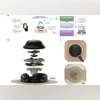
a. The platform. b. Model of the device with wound monitoring, drug delivery. c. A-Heal wearable, showing final setup with the camera and actuator and integration with bandage for ease of application. (Photo: npj Biomedical Innovations)
Listen to This Article
A new AI-powered smart bandage has been shown to heal wounds about 25 per cent faster than standard care, according to researchers. The wearable device, called a-Heal, continuously monitors wounds, identifies their healing stage, and delivers targeted treatment through drugs or mild electric fields.
The findings of the study published in npj Biomedical Innovations titled Towards adaptive bioelectronic wound therapy with integrated real-time diagnostics and machine learning–driven closed-loop control show that a-Heal combines AI, imaging, and bioelectronics to speed up recovery.
“Our system takes all the cues from the body, and with external interventions, it optimises the healing progress,” said Marco Rolandi, Professor of Electrical and Computer Engineering at UC Santa Cruz, in a statement on the University of California – Santa Cruz website.
What is a-Heal?
According to the researchers, a-Heal is a portable, wireless bandage-like device that combines three cutting-edge technologies:
A tiny onboard camera that captures wound images every two hours
Also Read

 "Lenacapavir HIV injection")
 "doomscrolling, brain rewiring, brain health")
 "airport, mumbai airport, adani airport")
 "Donald Trump, Trump")
 "weddings, marriage")
Artificial intelligence (AI) that analyses images and diagnoses healing stages
Bioelectronic actuators that deliver treatments, such as medication or mild electric fields, tailored to the wound’s needs
“It’s essentially a microscope in a bandage,” said Mircea Teodorescu, Associate Professor of Electrical and Computer Engineering at UC Santa Cruz. “Individual images say little, but continuous imaging lets AI spot trends, healing stages, flag issues, and suggest treatments.”
ALSO READ | Doomscrolling rewires your brain: Why nonstop bad news feels addictive
How does the device heal wounds faster?
Every wound goes through stages: clotting, inflammation, proliferation, and maturation. Healing can stall if these stages are delayed or disrupted.
a-Heal’s AI, called the “ML Physician,” continuously monitors progress and makes real-time decisions:
- If inflammation lingers, it delivers fluoxetine, a drug that reduces inflammation and boosts tissue growth.
- If healing slows, it applies a gentle electric field, which helps skin cells migrate and close the wound faster.
This adaptive approach ensures wounds stay on the optimal healing track, unlike conventional care that relies on fixed schedules or manual observation.
What did the study reveal?
In preclinical tests using a large animal wound model, wounds treated with a-Heal showed:
- 25 per cent faster closure than standard care
- Thicker new skin layers and better tissue regeneration
- Reduced inflammation and more balanced collagen growth, lowering scarring risk
The device also transmitted real-time wound images and data to a secure online dashboard, allowing doctors to step in remotely if needed.
Why is this important for patients?
Chronic wounds, such as diabetic ulcers, pressure sores, and post-surgical complications, affect millions worldwide. They are painful, costly, and sometimes life-threatening if they lead to infections or sepsis.
a-Heal could be a game-changer because it:
- Personalises treatment to each patient’s wound
- Cuts down healing time, reducing hospital visits and complications
- Makes advanced wound care accessible for people in remote areas through telemedicine
Is this device ready for human use?
Not yet. The current study is preclinical, tested in animal wound models. While results are promising, more research is needed to confirm safety, effectiveness, and regulatory approval.
Researchers also noted limitations such as device durability and the need to test on infected or diabetic wounds. Future upgrades may make the device smaller, more flexible, and suitable for everyday use.
How does AI make it smarter?
The AI model uses reinforcement learning, improving treatment decisions through trial and error. If the wound is not responding, the AI adapts the dosage or therapy intensity. Over time, it becomes more precise in predicting what a wound needs for faster healing.
What’s next for a-Heal?
The research team is now exploring:
- Testing the device on chronic and infected wounds
- Miniaturising it for comfortable long-term wear
- Expanding its use in telemedicine for underserved patients
If successful, a-Heal could mark the dawn of adaptive, AI-driven wound care, where bandages do not just protect, they actively heal.
For more health updates, follow #HealthWithBS
This content is for informational purposes only and is not a substitute for professional medical advice.
More From This Section
 "potassium deficiency, hypokalaemia")
 "Zomato")
 "notifications and digital overload, phone use, screentime")
 "food delivery apps")
 "Night shift, doctors")
Topics : BS Decoded BS Web Reports Health with BS Artificial Intelligence in health Health Ministry health news Innovation Decoded
Don't miss the most important news and views of the day. Get them on our Telegram channel
First Published: Sep 30 2025 | 11:13 AM IST