


Can app-based eating affect your heart? Doctors explain the hidden risks
World Heart Day 2025: The ease of ordering burgers, pizzas, and fried snacks at a tap comes with a price; doctors say app culture is silently shaping India's rising heart health crisis
 "food delivery apps")
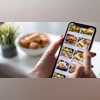
The rise of food delivery apps is reshaping eating habits and silently impacting heart health, say experts. (Photo: AdobeStock)
Listen to This Article
Food delivery apps have transformed eating habits in India’s urban centres, making ultra-processed, calorie-dense meals a routine choice rather than an occasional treat. Health experts warn this growing dependence on app-based foods is silently increasing the risk of obesity, hypertension, diabetes, and early heart disease among young professionals.
According to Dr Mukesh Goel, Senior Consultant, Cardiothoracic and Cardiovascular Surgery at Indraprastha Apollo Hospitals, the daily dependence on calorie-rich, ultra-processed meals delivered to our doors is no longer just an occasional indulgence. It is becoming a lifestyle—and a dangerous one for our hearts.
How are food delivery apps reshaping what you eat?
Not too long ago, eating out meant a weekend treat. Today, food delivery apps have blurred the line between indulgence and routine. Burgers, pizzas, fried snacks, and sugary drinks are now just a click away, even late at night.
“Young adults and office workers are the most frequent users, giving up home-cooked food for app-based meals,” says Dr Goel.
“We are seeing increased intake of salt, fat, and refined carbs. Over time, wholesome meals are being pushed aside in favour of processed quick fixes.”
Also Read

 "Night shift, doctors")
 "heart attack, heart attack early signs")
 "Financial stress, heart health")
 "heart health, cardiac health, heart healthy habits")
 "heart health, cardian health, bad habits, unealthy man")
How is this convenience harming heart health?
According to Dr Goel, urban youth are increasingly showing early warning signs—hypertension, obesity, diabetes, and even metabolic syndrome. The National Family Health Survey (NFHS)-5 also reports a rise in obesity across most states.
“Takeout meals tend to be high in sodium and trans fats, which raise cholesterol and blood pressure. Even a few app-based meals a week can silently increase cardiovascular risk in otherwise ‘healthy-looking’ young adults,” he explains.
What exactly do ultra-processed foods do to your heart?
“It is like a slow, invisible attack,” warns Dr Goel. Excess sodium drives up blood pressure. Added sugars push up triglycerides and insulin resistance. Trans fats raise bad cholesterol and lower the good kind, clogging arteries. And preservatives? They trigger inflammation in blood vessels.
“In India, where many already have a genetic predisposition to heart disease, these stresses speed up blockages, making heart attacks and strokes more likely, often at younger ages,” Dr Goel notes.
Why should even ‘slim’ people worry?
“People think that being lean means you are automatically safe, but that is far from fact,” says Dr Goel. He explains that ultra-processed diets trigger silent mechanisms like chronic inflammation, vessel damage, and even gut microbiome disruption.
“This makes ‘slim but unhealthy’ a real phenomenon among young Indians. Frequent app-based meals raise heart disease risk even without visible weight gain,” he cautions.
Why do food apps feel so addictive?
It is not just about hunger, it is psychology. From discounts and cashback to irresistible food photos, apps are designed for instant gratification.
“For professionals juggling long commutes and hectic jobs, it is easier to tap ‘order now’ than cook dal-chawal. But over time, this convenience rewires habits, making dependency on processed foods stronger,” says Dr Goel.
What red flags should you watch out for?
If your order history shows more creamy gravies, refined flour breads, or packaged desserts than veggies, that is a warning sign.
Dr Goel adds, “Ordering more than twice a week without fibre-rich sides or lean proteins is risky. If meals leave you feeling sluggish or unusually thirsty, chances are your heart is not happy.”
What are the smarter choices hidden in food apps?
Not everything on delivery apps is a heart bomb. Look out for grilled, steamed, or tandoor-cooked options instead of deep-fried. Swap sugary drinks with lemon water, buttermilk, or plain water.
“South Indian meals with sambhar and vegetables or North Indian thalis with dal and sabzi are far better than fried fast food,” Dr Goel suggests. Many apps now allow customisation which people can use, such as lower oil, extra veggies, smaller portions.
How often is it safe to indulge?
Dr Goel stresses that moderation matters. “In India, where heart disease strikes a decade earlier, indulging more than once a week is not wise. A single slice of pizza occasionally is very different from polishing off a full meal regularly,” he says.
His rule of thumb? Keep 80 per cent of meals home-cooked with pulses, vegetables, and whole grains. Reserve indulgence as an occasional treat, not a lifestyle.
According to Dr Goel, food delivery apps are not the enemy, it is how we use them that matters.
For young people, the convenience is undeniable. But if you want to protect your heart, the trick lies in conscious choices, balance, and setting boundaries.
For more health updates, follow #HealthWithBS
This content is for informational purposes only and is not a substitute for professional medical advice.
More From This Section
 "World Heart Day 2025, heart disease prevention, cardiovascular health")
 "Hepatitis")
 "Fatty Liver")
 "junk food, Ultra-processed foods")
 "3 item to replace in your home")
Topics : Health with BS BS Web Reports heart health Health Ministry health news Cardiovascular disease food and beverages Food delivery Zomato Swiggy
Don't miss the most important news and views of the day. Get them on our Telegram channel
First Published: Sep 29 2025 | 3:39 PM IST