


7 early warning signs of glaucoma every adult above 40 should know
Glaucoma damages vision quietly and painlessly. Knowing the early signs and getting regular eye checks after 40 can help prevent permanent sight loss
 "glaucoma screening")
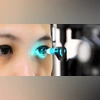
Routine eye screening helps detect glaucoma early and prevent vision loss. (Photo: Adobestock)
Listen to This Article
Glaucoma is often called the silent thief of sight because it damages vision so gradually that many people remain unaware of the disease until permanent loss has already occurred. It is a group of eye conditions that damage the optic nerve, most commonly due to raised pressure inside the eye and is one of the leading causes of irreversible blindness worldwide.
“Glaucoma slowly and quietly causes damage to the optic nerve,” says Dr Niteen Dedhia, Medical Director, Ojas Maxivision Eye Hospitals. Changes in eye pressure, blood flow and nerve fibres occur over time, while the brain often compensates for the loss. As a result, symptoms go unnoticed, and by the time vision loss becomes apparent, the damage is usually permanent. Recognising early warning signs can help protect vision from irreversible damage.
1. Gradual loss of side vision
One of the earliest changes in glaucoma is damage to peripheral vision. “Glaucoma starts by damaging the peripheral vision but doesn’t affect the centre (front) vision,” explains Dr Dedhia. People may find it harder to notice objects coming from the side or may bump into things more often. Because central vision remains clear, these changes are frequently dismissed as normal ageing.
2. Difficulty seeing in low light and at night
Struggling to adjust to darkness, feeling uncomfortable in dimly lit spaces, or finding night-time navigation difficult can be early warning signs. If headlights appear overly dazzling, halos form around lights, or night driving becomes increasingly stressful, it may indicate reduced contrast sensitivity linked to glaucoma rather than simple eye fatigue.
Also Read

 "Train, Indian Railway")
 "Jerome Powell, Trump")
 "Delhi Winter, New Delhi Winter, Winter, Cold, Smog, Delhi Pollution, Delhi Air Quality, Pollution")
 "Donald Trump, Trump")
 "Trump")
3. Frequent changes in spectacle power
"Needing frequent prescription changes or feeling that glasses “never feel quite right” may reflect subtle visual field changes caused by glaucoma rather than simple refractive error progression," shares Dr Neeraj Sanduja, Ophthalmologist, Eye Surgeon at Viaan Eye Centre, Gurgaon.
4. Eye pressure or unusual discomfort
In the most common form, open-angle glaucoma, symptoms are often painless or limited to a mild sense of pressure or heaviness in the eyes. Some people may notice a dull ache after prolonged screen time or reading that improves with rest. As this can feel like routine eye strain, it is frequently ignored, yet it may indicate subtle increases in eye pressure that require professional evaluation.
5. Dark spots or missing patches in vision
Seeing sudden dark spots, shadows or blank areas, particularly in side-vision, should prompt immediate eye screening. These blind spots may develop slowly or appear abruptly and could signal optic nerve damage.
"Occasional blurring or seeing a mild haze, especially in the mornings, can be an early warning sign. Since these episodes are often painless and transient, they are easy to ignore," notes Dr Sanduja.
6. Frequent headaches with eye strain
Recurring headaches, especially when accompanied by eye strain or blurred vision, should not be ignored. While headaches can have many causes, when linked with vision changes, they may signal rising eye pressure or early glaucoma changes, says Dr Dedhia.
7. Persistent redness or eye irritation
Occasional eye redness can have many harmless causes, but redness that persists or is accompanied by discomfort should not be overlooked. When linked with vision changes or eye pain, it may signal underlying eye pressure problems and needs prompt assessment by an eye specialist.
Who is more at risk?
- Adults aged 40 and above, as the risk of glaucoma increases with age even without noticeable symptoms
- People with a family history of glaucoma, as the condition often runs in families
- Individuals with diabetes or high blood pressure, which can affect blood flow to the optic nerve
- Those with consistently high eye pressure, detected during routine eye exams
- People with a history of eye injury or eye surgery
- Long-term users of steroid medications, including eye drops, tablets or inhalers
Experts recommend that adults over 40 undergo a comprehensive eye examination at least once a year. Those with risk factors may need screening twice a year to catch early damage before vision loss sets in.
Early action protects vision
"Early detection becomes crucial because while the loss of vision resulting from glaucoma is irreversible, disease progression can be effectively slowed or stopped with timely treatment," shares Jeevan Kasra, Chairman at Steris Healthcare. "Awareness, routine screening, and adherence to prescribed therapy remain the most powerful weapons we have for protecting long-term vision and quality of life," he adds.
Managing diabetes, avoiding smoking and excessive alcohol, and sticking to regular follow-ups are crucial for long-term eye health.
Glaucoma may be silent, but its consequences are not. Recognising early warning signs and acting promptly can make the difference between preserving sight and losing it forever.
For more health updates, follow #HealthwithBS
This report is for informational purposes only and is not a substitute for professional medical advice.
More From This Section
 "addiction, drugs")
 "cold hands and feet in winter")
 "smoking")
 "Sleep problems, sleep disorder")
 "cannabis")
Topics : Health with BS BS Web Reports expert eye
Don't miss the most important news and views of the day. Get them on our Telegram channel
First Published: Jan 14 2026 | 4:32 PM IST