


Common monsoon diseases: How to stay protected through the rainy season
From mosquito-borne infections to water contamination, the monsoon brings a host of health risks - here's how to avoid falling ill and enjoy the season safely
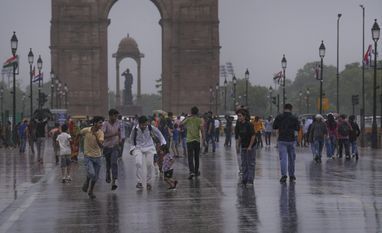 "Rain, Delhi Rains, New Delhi Rains, Monsoon")
Stay updated on local weather and health advisories to stay prepared for the rain.(Photo: PTI)
Listen to This Article
As the skies darken and raindrops fall, it’s tempting to cosy up with a hot cup of chai and enjoy the monsoon. While the rainy season brings much-needed relief from the scorching summer, it also creates the perfect breeding ground for several diseases you need to be cautious about.
Here’s what to watch out for — and how to stay safe.
Malaria symptoms and prevention during the monsoon
If you feel a fever coming on at regular intervals, don’t ignore it — it could be malaria. This mosquito-borne disease spreads through the Anopheles mosquito and is common during the monsoon.
Tips: Use mosquito repellents, keep doors and windows shut during dusk and dawn, and sleep under a mosquito net. Seek medical help if you experience fever with chills and sweating.
How to protect yourself from chikungunya and dengue
These mosquito-borne diseases surge during the rainy season. Chikungunya causes high fever, joint pain and rashes. Dengue presents with intense headaches, muscle pain and dangerously low platelet counts.
Also Read

 "Covid, coronavirus, Sars-CoV-2, covid testing")
 "Food cravings, food addictions, junk food, processed food, unhealthy food, health, nutrition")
 "Blood test")
 "Asthma, lungs, respiratory issue, night shift, women, woman, employee")
 "oral health, dental check-up, dentist")
Tips: Clear stagnant water around your home, use mosquito repellents and wear full-sleeve clothes. Seek medical attention if symptoms appear.
Prevent gastroenteritis caused by contaminated water
If you’ve ever felt queasy after eating during the rainy season, it might be more than just a bad meal. Gastroenteritis is caused by bacteria and viruses that thrive in contaminated water. It usually leads to diarrhoea, vomiting and stomach cramps. While most cases are mild, severe dehydration can make it life-threatening.
Tips: Stick to freshly cooked, hygienic food and safe drinking water. If symptoms appear, consult a doctor immediately.
Avoid leptospirosis from walking in floodwater
Wading through rainwater? Think twice. Leptospirosis is a bacterial infection that enters the body through cuts or broken skin, especially when you walk in dirty or stagnant water. It can cause fever, chills, severe muscle pain and fatigue.
Tips: Avoid floodwater. Invest in waterproof shoes and always wash your feet after exposure. If you suspect infection, a blood test can confirm it — early treatment with antibiotics helps.
Jaundice in monsoon: Causes, symptoms and safety tips
Monsoon-related jaundice is often a result of viral hepatitis, transmitted through contaminated water. Symptoms include yellowing of the eyes and urine, fatigue and abdominal pain.
Tips: Drink only filtered or boiled water and avoid eating from unhygienic places. It’s a serious condition, so do not delay treatment.
How to prevent typhoid fever in the rainy season
Typhoid spreads rapidly through contaminated food and water, making it a common monsoon risk. Symptoms include high fever, headache, abdominal pain and skin rashes.
Tips: Get vaccinated if possible. Maintain personal hygiene, avoid street food, and isolate the patient to prevent the spread. Ensure adequate fluid intake.
Treating common cold, cough and viral fever in monsoon
You’re more likely to catch a cold in humid weather or after getting drenched. Symptoms include fever, sore throat, runny nose and body aches.
Tips: Dry off quickly after being in the rain, avoid sudden temperature shifts and stay hydrated with warm fluids like soup and tea. Medication and rest usually do the trick.
Prevent fungal skin infections in the rainy season
Wet clothes, sweat and damp conditions can lead to fungal infections — especially in areas like armpits, between toes and the genital region. You may notice itchy rashes, redness or peeling skin.
Tips: Keep your skin dry, wear breathable fabrics and moisturise regularly — especially in air-conditioned environments. Use antifungal powders or creams if needed.
This monsoon, take small but smart steps to protect yourself and your family. Stay updated on local weather and health advisories. Carry umbrellas or raincoats, maintain good hygiene and avoid self-medication. While the rains are beautiful, falling ill takes the joy out of the season. Stay safe, stay aware, and enjoy the monsoon the healthy way!
For more health updates, follow #HealthWithBS
This report is for informational purposes only and is not a substitute for professional medical advice.
More From This Section
 "Covid-19, Covid, Coronavirus")
 "vaccination, covid, covid vaccine")
 "Yoga, Yog")
 "Stomach, Stomach ache, Digestive problem")
 "cardio")
Topics : Health with BS Indian monsoon disease
Don't miss the most important news and views of the day. Get them on our Telegram channel
First Published: Jun 17 2025 | 11:32 AM IST