


Parliamentary panel flags lack of policy focus on chronic kidney disease
The committee flagged severe specialist shortages and proposed that trained general physicians supervise dialysis units as an interim measure while a national CKD strategy is developed
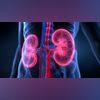 "kidney health")
The committee also flagged a severe shortage of nephrologists, urologists and trained dialysis technicians across all states, particularly in rural and remote areas | (Photo: AdobeStock)
Listen to This Article
Raising concerns over the lack of policy attention to chronic kidney disease (CKD) cases, a parliamentary standing committee has asked the Union Health Ministry to formulate a comprehensive and coordinated national response involving prevention, early detection, treatment, research and long-term patient care.
In its report reviewing the burden of CKD in India, the Parliamentary Standing Committee on Health and Family Welfare said that preventive nephrology has not received commensurate policy and financial attention despite its potential to reduce disease progression and long-term health care costs.
“CKD has emerged as one of the fastest-growing non-communicable diseases in the country, with a steadily increasing prevalence and a substantial proportion of patients being diagnosed only at advanced stages,” the panel said.
It recommended that the Health Ministry accord higher priority to CKD within the national health agenda and formulate a comprehensive national strategy with clearly defined objectives, measurable outcomes and coordinated implementation across all levels of health care.
The panel’s report added that the ministry has provided substantial resources for dialysis and other renal replacement therapies under schemes such as the National Programme for Prevention and Control of Non-Communicable Diseases (NP-NCD).
Also Read

 "Farmers, Farmer, agriculture, fertilizers")
 "QR codes on drugs")
 "Jaspal Rana, Jaspal")
 "anaemia-thyroid-period connection")
 "The visit will be the second time in a month Trump will have seen a dentist")
This recommendation comes at a time when India bears one of the largest global burdens of CKD. According to a government report, CKD was identified as the ninth-leading cause of mortality in the country, with India reporting approximately 115 million cases in 2017.
Focusing strongly on primary diagnosis, the committee suggested reorienting the implementation of NP-NCD towards a prevention-first approach. This, it said, can be done by strengthening the role of Ayushman Arogya Mandirs (AAMs) in promoting kidney health awareness and behaviour-change communication.
“Unless preventive efforts at the primary healthcare level are substantially strengthened, the growing burden of CKD will continue to place increasing pressure on dialysis and transplantation services, thereby undermining the long-term sustainability of the healthcare system,” the report stated.
The parliamentary panel further recommended the institutionalisation of structured kidney health education, lifestyle-modification counselling, risk-factor management and community-awareness programmes as integral components of primary health care.
“The ministry should strengthen the capacity of Medical Officers, Community Health Officers, ASHA workers and other frontline health workers through regular training on CKD prevention, risk communication and early behaviour culturally appropriate information, education and communication (IEC) material in regional languages,” the report stated.
The committee also flagged a severe shortage of nephrologists, urologists and trained dialysis technicians across all states, particularly in rural and remote areas.
“Data furnished by the health ministry in respect of human resources sanctioned and in-position at district hospitals across the country reveals wide inter-state disparity with a majority of states reporting no sanctioned posts of nephrologists at the district hospital level,” the report said.
To bridge this gap, the panel has suggested permitting physicians holding an MD degree in general medicine who complete one year of specialised training at a recognised nephrology centre to supervise and manage dialysis units.
Other recommendations included the development of a district-wise CKD Performance Dashboard to monitor screening coverage, early diagnosis, dialysis outcomes, transplant waiting lists and specialist vacancies.
The committee has also asked the Health Ministry to incorporate basic concepts of kidney health, healthy dietary practices, adequate hydration and the importance of protecting kidney function into school health education programmes and appropriate school curricula.
More From This Section
 "Covid-19 India 2025, Covid-19 surge India, active Covid cases India, coronavirus, masking")
 "Cancer cells, infection")
 "chandipura, encephalitis")
 "cyclospora")
 "organ transplant in india")
Don't miss the most important news and views of the day. Get them on our Telegram channel
First Published: Aug 12 2026 | 7:24 PM IST