


Tracing the truth in the pink salt craze: Healthy alternative or just hype?
Many believe pink salt is healthier than white salt, but experts warn it's no magic fix -especially if you rely on salt for your iodine intake. But it contain traces of iron, calcium, and magnesium
 "Pink salt")
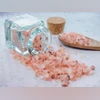
Pink Himalayan salt may be natural and mineral-rich, but experts say its health benefits over white salt are minimal. (Photo: Freepik)
Listen to This Article
Pink salt is pretty, and it has now reached our gourmet kitchens and wellness aisles. But behind the growing trend of Himalayan pink salt lies a question that health-conscious consumers are increasingly asking: Is it actually a healthier choice than regular table salt?
What is regular salt?
Salt is a mineral largely consisting of sodium chloride. It can be produced by evaporating salt water or extracting solid salt from underground salt mines. Before it reaches you, table salt goes through a refining process to remove impurities. Anticaking agents are sometimes added to help absorb moisture, and iodine is often included to help prevent iodine deficiency.
What is pink Himalayan salt?
Mined from the Khewra Salt Mine in Pakistan, pink Himalayan salt is a type of rock salt that gets its blush colour from trace minerals like iron oxide (rust). Unlike heavily processed table salt, pink salt is often left unrefined, which preserves its natural mineral content.
Key differences between pink and white salt
Here’s how the two types of salt differ:
Origin:
Also Read

 "Samosa")
 "vaccine")
 "skipping meals, intermittent fasting")
 "heart palpitations")
 "Dog, rabies")
- Pink salt is mined from salt deposits in the Himalayas.
- White salt (or table salt) is often derived from evaporated seawater or underground salt mines.
Processing:
- Pink salt is minimally processed and usually sold in coarse crystals.
- White salt is highly refined and often contains anti-caking agents.
Additives:
- Pink salt is mostly free of additives but does not contain added iodine.
- White salt is usually fortified with iodine, which is essential for thyroid health.
Mineral content:
- Pink salt contains trace amounts of potassium, calcium, magnesium, and iron.
- White salt is almost purely sodium chloride.
Texture and taste:
- Pink salt has a coarser texture and a milder taste.
- White salt is finer and has a sharper, saltier flavour.
Claimed health benefits of pink salt
Some of the popularly believed advantages of pink salt are:
- Rich in minerals: It contains small amounts of potassium, magnesium, calcium, and iron.
- Supports hydration: A pinch of pink salt in water is said to help with electrolyte balance.
- Lower sodium intake: Coarser crystals may mean you use slightly less by volume.
- Less processed: It’s free from additives and often considered more “natural”.
Some healthcare professionals credit pink salt with improving sleep quality, detoxifying the body, and aiding weight loss. However, there is no clinical evidence or research to support these claims. These effects are more likely to come from an overall balanced diet and lifestyle rather than salt alone.
What about the absence of iodine?
One key downside of switching to pink salt is that it does not contain added iodine, an essential nutrient that supports thyroid health. Iodised salt was introduced to combat widespread iodine deficiency, especially in countries like India.
“If you rely solely on pink salt, make sure to get iodine from other sources like dairy, seafood or supplements,” said Dr Srishti Goyal, dietician with Ujala Cygnus Group of Hospitals.
So, is pink salt actually healthier?
While pink Himalayan salt may offer a natural, unprocessed alternative to table, the health differences are minimal. Experts say it’s certainly not a magical upgrade. The best approach is to limit your overall salt intake to support heart health and blood pressure control.
For more health updates, follow #HealthWithBS
This report is for informational purposes only and is not a substitute for professional medical advice.
More From This Section
 "WHO, World Health Organization")
 "Milind Deora, Milind, Deora, Election, Maharashtra Election, Maharashtra Polls, Vote, Voting")
 "woman with stomach pain")
 "Greek cooking, healthy food")
Don't miss the most important news and views of the day. Get them on our Telegram channel
First Published: Jul 15 2025 | 7:35 PM IST