


Resetting your body clock after festive nights: How to get back in sync
Diwali festivities may lift the spirit but can disrupt your sleep as well. Here's how to realign your body's internal clock and feel refreshed again
 "body clock reset")
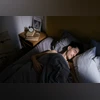
Re-establishing a healthy sleep routine helps the body recover from post-festival fatigue.(Photo: Pexels)
Listen to This Article
The week after Diwali often feels tougher than the celebrations themselves. Your body is tired, mornings feel sluggish, and sleep just doesn’t hit the same way. As the lights fade and normal routines resume, many find themselves battling post-festival fatigue, and even insomnia. That’s your body clock, or circadian rhythm, reacting to the sudden shift in schedule.
Health experts say that just a few nights of disrupted sleep can throw your natural rhythm off balance, affecting not just your rest but also your mood, digestion, and energy levels.
What is circadian rhythm?
Think of your circadian rhythm as your body’s personal timekeeper. It tells you when it’s time to wake up, when to feel sleepy, and even helps control things like hormone release and digestion through the day. It runs on roughly a 24-hour cycle, syncing with natural light and darkness.
“The circadian rhythm is essentially the internal clock of our body. It governs not just sleep and wakefulness but also several hormonal and metabolic functions that influence our daily energy levels and overall health,” says Dr Gurmeet Singh Chabbra, director, Pulmonology, Yatharth Super Speciality Hospital, Faridabad.
However, not everyone’s internal clock ticks the same way, he says. "Some people feel their best late at night and struggle to wake up early. They are the classic night owls. While others are up with the sunrise and prefer winding down soon after dark. These individuals are the early birds or larks,” he explains.
Also Read

 "sleep disorders")
 "Diwali burnout")
 "peanuts")
 "air pollution, AQI, Delhi smog, post-Diwali pollution")
 "breast cancer")
When festive nights confuse your sleep cycle
The body’s circadian rhythm thrives on consistency. When bedtime fluctuates, melatonin production (the hormone that helps you sleep) is delayed, confusing your system about when it’s time to rest or stay alert.
Late-night festivities and erratic sleep schedules hamper your natural rhythm because of irregular light exposure and inconsistent sleep patterns, shares Dr Chabbra. “Stress and anxiety associated with hosting and festive preparations may also disrupt your ability to sleep well,” he says.
Other factors that may impact sleep cycle include-
- Bright indoor lights at night and not enough sunlight during the day can confuse your brain about when to stay awake or rest.
- Late-night caffeine, alcohol, stress, or an uncomfortable sleep setup can also disturb your natural sleep rhythm.
- Too much screen time before bed delays melatonin production and pushes your sleep cycle later.
- Night shifts or frequent travel across time zones disrupt your natural light exposure, throwing your internal rhythm off balance.
- Weekend sleep catch-ups, or consistently shifting bedtimes also confuse your body clock.
- Depression, insomnia, or neurological disorders, and certain medications, can interfere with the circadian rhythm.
Hidden costs of a disrupted sleep cycle
- Inadequate sleep can block the brain’s ability to form new memories, almost like the “memory inbox” shuts down, making it harder to retain new information.
- Chronic sleep deprivation can trigger a build-up of beta-amyloid, a toxic protein linked to Alzheimer’s disease.
- Poor sleep affects key body systems such as the reproductive, immune, and cardiovascular systems, increasing the risk of heart attacks and strokes.
- Short sleep duration is also associated with a higher risk of several cancers, including breast, prostate, and bowel cancer.
How to reset your sleep cycle?
- Set a regular sleep and wake time, even on weekends as your body thrives on routine.
- Get morning sunlight to reset your internal clock, and limit screen use before bed.
- Unwind with calming activities like reading, music, or a warm bath. Keep your room cool and dark.
- Darkness signals your brain it’s time to sleep, so avoid caffeine in the late afternoon.
According to experts, your body clock usually needs one day per hour of sleep to return to normal. So, if you’ve been sleeping two to three hours later than usual during the festive week, expect it to take three to four days to feel fully rebalanced, provided you make steady adjustments.
“It usually takes a few days, but the time to recover can go up to 2-3 weeks, depending on the individual and the extent of the disruption,” adds Dr Chabbra.
Light, food, and the body clock connection
Exposure to bright light, especially natural sunlight, shortly after waking up, plays a key role in realigning your circadian rhythm. On the other hand, too much exposure to bright, artificial blue light from screens or LED lights in the evening can delay your sleep-wake cycle.
To help your body wind down naturally, it’s best to minimize blue light exposure before bed. Try using screen filters, blue-light-blocking glasses, or warm-toned bulbs after sunset, says Dr Chhabra.
He adds that maintaining a consistent eating window, ideally within 8–10 hours each day, helps the body synchronise its metabolic processes with the brain’s master clock. This simple change can support better digestion, hormone balance, and sleep quality.
When should one seek medical help?
If you often feel unusually tired during the day, get irritated easily, or find it hard to focus at work or school, it may be more than just post-festival fatigue.
Signs like loud snoring, gasping for air during sleep, or an uncomfortable urge to move your legs at night could point to a sleep disorder, explain Dr Chhabra. He advises consulting a doctor or sleep specialist if these symptoms persist or begin to affect your daily life.
For more health updates, follow #HealthwithBS
This report is for informational purposes only and is not a substitute for professional medical advice.
More From This Section
 "skin care, skincare, SPF")
 "Flooding in Malaysian village - climate change AP")
 "Diwali weight gain")
 "skin care, skincare")
 "Detox after festivities")
Don't miss the most important news and views of the day. Get them on our Telegram channel
First Published: Oct 22 2025 | 11:08 AM IST