


Samantha's 100g protein routine goes viral - what's your right amount?
Actor Samantha Ruth Prabhu revealed she consumes 100g of protein daily despite weighing 50kg. Nutritionists say the high intake suits her fitness goals, but not everyone's
 "high protein diet has own risks")
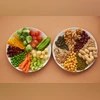
Samantha Ruth Prabhu’s diet reveals how protein needs vary from person to person. (Photo: Pexels)
Listen to This Article
When actor Samantha Ruth Prabhu said she consumes 100-gram of protein daily despite weighing only 50 kilograms, it caught the internet’s attention. The revelation sparked curiosity about her disciplined diet, and concern among nutritionists, who warn that what works for a celebrity’s fitness goals may not work for all.
Personalisation in protein intake matters
Experts say Samantha’s protein intake may suit her personal fitness level and training routine, but it’s not a plan everyone should follow.
According to Dr Eileen Canday, head of nutrition and dietetics at Sir HN Reliance Foundation Hospital, Mumbai, an average Indian woman weighing 55–60 kg generally requires around 60–80 grams of protein per day, far less than Samantha’s 100-gram intake.
Experts stressed that gut health and digestion play a key role in how well the body absorbs and utilises protein. Without good digestion, consuming large amounts could cause bloating, discomfort, or poor nutrient absorption, rather than delivering any added benefit.
How much protein do you really need?
According to Dr Manisha Arora, director of Internal Medicine at CK Birla Hospital, Delhi, most adults require about 0.8 to 1.2 grams of protein per kilogram of body weight per day.
Also Read

 "France bird flu - high alert")
 "4000 steps waking for older women")
 "Obesity")
 "Losing the Diwali weight")
 "body clock reset")
She explains that athletes or those with intense training routines can safely go up to 1.5 grams per kilogram, but exceeding 2 grams per kilogram may pose health risks. This is particularly concerning for people with kidney problems, metabolic disorders or dehydration, as their bodies may struggle to process the excess load.
Dr Arora says protein intake should always be personalised, rather than based on generic advice often shared at gyms or on social media.
Impact of excess protein consumption
A study published in the Journal of the American Society of Nephrology reports that high-protein diets can significantly increase the kidneys’ workload, which over time may lead to stone formation and chronic kidney strain.
Another study, published in the journal Advances in Nutrition, states that a high protein intake increases the excretion of solutes such as urea and other nitrogenous wastes, thereby raising the body’s water requirement to prevent dehydration.
“Too much protein can strain the kidneys by increasing their filtration load. This can worsen existing kidney disease or, over time, cause damage even in otherwise healthy individuals,” says Dr Arora.
She adds that high-protein diets also raise the risk of kidney stones, particularly uric acid and calcium oxalate stones. Metabolically, excessive protein intake can reduce carbohydrate availability, which may lead to ketosis, fatigue, and bad breath.
Take-aways for everyday nutrition
- Don’t follow celebrity numbers: A 100-gram-plus intake may suit someone with a specific goal, but it’s a default measure for everyone.
- Focus on absorption, not numbers: If your gut health or digestion isn’t optimal, even moderate protein can feel heavy.
- Tailor your diet to your lifestyle: With sedentary lifestyle, everyday work and minimal training, your needs will differ from a high-performance regimen.
- Use varied, whole-food sources: Legumes, dairy, nuts, pulses, lean meat (if non-vegetarian) are good. For vegetarians especially, planning matters.
- Consult a professional: Before adopting a high-protein diet, speak to a nutritionist or dietician. Your protein needs depend on age, gender, weight, activity, health conditions.
For more health updates, follow #HealthwithBS
This report is for informational purposes only and is not a substitute for professional medical advice.
More From This Section
 "sleep disorders")
 "Diwali burnout")
 "peanuts")
 "air pollution, AQI, Delhi smog, post-Diwali pollution")
 "breast cancer")
Don't miss the most important news and views of the day. Get them on our Telegram channel
First Published: Oct 22 2025 | 5:22 PM IST