


WHO redefines TB care with new focus on food and nutritional support
The new guidelines from WHO call for integrating nutrition into TB programmes worldwide, emphasising assessment, and targeted food support for those in need
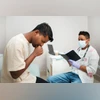 "New TB guidelines by WHO")
Nutritional support programmes are now a core part of TB care under new WHO guidelines. (Photo: Freepik)
Listen to This Article
The World Health Organization (WHO) has released new guidelines on tuberculosis (TB) that emphasise nutrition and food support as essential components of care. The updated recommendations mark a major shift towards a more holistic, patient-centred approach to TB prevention and treatment.
Why nutrition matters in TB
Undernutrition is one of the strongest risk factors for developing active TB and for poor treatment outcomes. It weakens the immune system, increasing both the likelihood of infection and the risk of relapse.
For decades, TB control strategies focused mainly on diagnosis and antibiotics, overlooking nutrition. WHO’s new guidance now bridges this gap, integrating nutritional care and social support into standard TB programmes.
Tuberculosis thrives on inequality, with undernutrition as a major driver, shared Dr Tereza Kasaeva, director of the WHO Department for HIV, tuberculosis, hepatitis, and sexually transmitted infections.
“To end TB, we must address undernutrition and food insecurity as part of a comprehensive, household-centred response. Integrating nutrition into comprehensive TB care is essential to breaking the cycle of disease and poverty, and constitutes a critical step towards a world free of TB,” he explained.
Also Read

 "youth mortality crisis")
 "grey hair")
 "Understanding whom to reach out to can make seeking help less overwhelming. (Photo: AdobeStock)")
 "therapy session, mental health")
 "snakes, snakebite, snake")
Key recommendations in updated guidelines:
1. Nutritional assessment and counselling are now recommended for all people diagnosed with TB as well as their household contacts. This recognises that many families affected by TB are also at risk of undernutrition.
2. Nutritional support and interventions should be provided to all TB patients who are undernourished. The guidance applies to everyone, regardless of age, pregnancy status, drug resistance, or the severity of undernutrition, to help improve recovery and treatment outcomes.
3. Food assistance is advised for household contacts of TB patients in food-insecure settings to help prevent the onset of the disease. This new recommendation is supported by findings from the RATIONS trial in India (Reducing Activation of Tuberculosis by Improvement of Nutritional Status), which found that improving nutrition can significantly reduce the risk of developing active TB.
WHO will soon release an operational handbook to help countries implement these measures effectively within national TB control programmes.
India’s role behind the change
The RATIONS trials in India were led by a research team headed by Dr Anurag Bhargava and Dr Madhavi Bhargava from Kasturba Medical College and Yenepoya Medical College, respectively. The ICMR (Indian Council of Medical Research) supported study was a multi-institutional effort and involved several key collaborators and funders.
In the trials, it was demonstrated how a monthly food basket containing 5 kg rice and 1.5 kg lentils per adult along with multivitamins could decrease new cases of tuberculosis by 48 per cent among the family members of a TB patient. Another key finding of the trial was how availability of food can bring down mortality in TB patients by 35 per cent.
Following the trial, Jharkhand, Tamil Nadu and Himachal Pradesh governments have begun giving away food baskets to the households of TB patients, while the Union government has also enhanced its monetary support for access to better food and nutrition.
“The risk of TB in family members is much higher due to that shared environment of poverty and food insecurity. So a family-based approach is promising not just for patient outcomes of treatment success and reduced deaths in the short term, but also in reducing overall TB burden in the long term," Dr Madhavi Bhargava told Deccan Herald.
What this means for India and high-burden nations
India, which carries the world’s highest TB burden, is likely to benefit greatly if it incorporates these new recommendations. The approach could strengthen treatment outcomes, prevent new infections, and tackle poverty-linked undernutrition simultaneously.
However, experts warn that implementation will require coordinated efforts between health departments, nutrition missions, and social welfare schemes. Ensuring adequate funding and logistics will be key to success.
The new WHO guidelines underscore that treating TB is not just about antibiotics, but also about addressing the conditions that allow the disease to thrive. By combining medical treatment with nutritional support, countries can make faster, fairer progress toward ending one of the world’s deadliest infectious diseases.
For more health updates, follow #HealthwithBS
This report is for informational purposes only and is not a substitute for professional medical advice.
More From This Section
 "H3N2 influenza Delhi NCR")
 "Food cravings, food addictions, junk food, processed food, unhealthy food, health, nutrition")
 "mental health survey for workplace")
 "depression in women")
 "mammogram")
Topics : Health with BS BS Web Reports Tuberculosis ICMR WHO Nutrition
Don't miss the most important news and views of the day. Get them on our Telegram channel
First Published: Oct 13 2025 | 4:58 PM IST