


US Green Card lottery: Why Indians remain ineligible for the DV visa
Indian nationals remain barred from the US Diversity Visa lottery until 2028, as high migration figures keep the country above the eligibility threshold
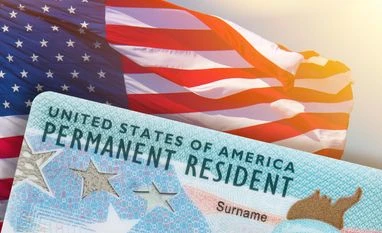 "US green card, US Passport, US immigration")
Photo: Shutterstock
Listen to This Article
Indian nationals have once again been excluded from the United States Diversity Visa (DV) lottery, at least until 2028. The programme, often referred to as the green card lottery, was created to increase the diversity of immigrants in the United States by selecting applicants from countries with historically low immigration levels over the past five years.
The lottery only allows citizens from nations that have sent fewer than 50,000 immigrants to the United States in that period. India, with its consistently high number of immigrants, has surpassed the eligibility threshold, keeping it out of the race.
In 2021, 93,450 Indians moved to the US. The figure rose to 127,010 in 2022—more than the total number of migrants from South America (99,030), Africa (89,570), or Europe (75,610). In 2023, the count stood at 78,070, automatically making Indians ineligible for the DV programme until at least 2028.
Other countries excluded from the 2026 lottery include China, South Korea, Canada, and Pakistan. The latest list of eligible nations and visa allocations was announced by the US State Department on Wednesday.
Why are Indians excluded from the US Diversity Visa lottery?
Also Read

 "US green card")
 "US green card, US Passport, US immigration")
 "marriage, wedding")
The DV lottery is based on immigration trends over a five-year period. Since India sends tens of thousands of immigrants to the US every year, it exceeds the threshold set by the programme. This means Indians are automatically excluded until their migration numbers drop significantly over a sustained period.
How does the Diversity Visa lottery work?
The Diversity Visa programme is an annual draw that offers a route to permanent residency for people from countries with low immigration rates to the United States. It gives those who might otherwise have no access to a green card the chance to obtain one through random selection.
Though registration is free, applicants must meet strict educational or work experience requirements. “It’s a chance for those who otherwise may not have many options,” said the US Department of State.
Those selected must also undergo a consular interview where officers decide if they qualify for the visa.
Which countries qualify for the 2026 lottery?
The list changes every year based on updated immigration data. For the 2026 cycle, nationals of countries such as Nepal, Sri Lanka, and most African nations are eligible to apply. Meanwhile, citizens from high-immigration countries—India, China, the Philippines, Canada, South Korea, and Pakistan—remain excluded.
How many Indians moved to the US in recent years?
Indian migration to the United States has remained among the highest in the world.
In 2021: 93,450 Indians immigrated to the US
In 2022: 127,010 Indians moved, outnumbering entire regional blocs like South America and Africa
In 2023: 78,070 Indians migrated, keeping India above the exclusion threshold
These figures ensure the country’s continued ineligibility for at least the next three lotteries.
What immigration options are still open for Indians?
With the DV route closed, Indians are left with limited options to secure permanent residency in the US. These include converting from an H-1B work visa, applying for investment-linked immigration, seeking asylum, or qualifying through family sponsorship.
Each of these pathways, however, has become more difficult in recent years due to tighter scrutiny and longer processing times.
How is the Trump administration changing US immigration policy?
Since returning to power, the Trump administration has tightened visa screening, especially for students and temporary workers. US diplomats abroad have been instructed to vet applicants more closely, including by reviewing their social media activity and political affiliations.
New directives have asked officials to flag individuals “who advocate for, aid, or support designated foreign terrorists and other threats to national security; or who perpetrate unlawful anti-Semitic harassment or violence,” according to internal State Department guidance.
This tougher approach has added uncertainty for applicants and employers alike, further restricting legal migration routes that Indians once relied on.
More From This Section
 "Canada, Ottawa, Ontario")
 "UAE golden visa")
 "US Citizenship and Immigration Services")
 "US visa, H4, H1B")
 "Donald Trump, Trump, Charlie Kirk")
Topics : green card immigration BS Web Reports
Don't miss the most important news and views of the day. Get them on our Telegram channel
First Published: Oct 17 2025 | 6:27 PM IST