


UP SIR: Permanent migration led to 28.8 mn uncollectable voter forms
Another 25,47,207 electors (1.65 per cent) were found enrolled elsewhere, while 7,74,472 forms (0.50 per cent) fell under "other reasons" such as incomplete or incorrect details
 "bihar election, bihar polls, voters")
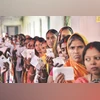
Representative image from file.
Listen to This Article
Permanent migration has emerged as the primary reason for electoral discrepancies in Uttar Pradesh, accounting for nearly 13 million of the 28.8 million uncollectable electoral forms identified during the Special Intensive Revision. Official data as of December 27, 2025, shows that permanent shifting of voters constitutes 8.40 per cent of the total electorate. Election officials said this trend reflects large-scale inter-district and inter-state migration, with the highest impact observed in urban and semi-urban areas.
Apart from 1,29,77,472 cases of permanent shifting, the second largest category includes untraceable or absent electors. This accounts for 79,52,190 cases, or 5.15 per cent of the electorate, and is largely attributed to temporary migration, frequent changes in residence and inaccurate addresses.
Deaths of registered voters accounted for 46,23,796 forms, or 2.99 per cent of the electorate, indicating outdated entries in the rolls due to the time gap between revisions, most noticeably in rural areas.
Another 25,47,207 electors (1.65 per cent) were found enrolled elsewhere, while 7,74,472 forms (0.50 per cent) fell under "other reasons" such as incomplete or incorrect details.
District-wise analysis shows urban hubs like Gautam Buddh Nagar, Ghaziabad, Lucknow, Kanpur Nagar, Agra and Varanasi reported the higher share of uncollectable forms due to shifting. In some of these districts, over one-fifth of the electorate was marked uncollectable.
Also Read

 "cigarette")
 "crime")
 "Protest, Delhi Protest, Pollution Protest, India Gate Protest")
 "Madhya Pradesh minister Kailash Vijayvargiya visits Bhagirathpura.")
 "Pramod Sawant, Pramod, Sawant, Goa CM")
Border and migration-prone districts, including Bahraich, Shravasti, Balrampur, Siddharthnagar and Maharajganj, showed a large share of voters classified as untraceable or absent, officials said. Election authorities said the categorisation of death, migration, duplication and other reasons would help in removing ineligible and duplicate entries and improve accuracy in the voter rolls ahead of future polls.
The Election Commission has also revised the schedule for the Special Intensive Revision of electoral rolls in Uttar Pradesh. The draft voter list will now be published on January 6, 2026, and the final roll on March 6, Chief Electoral Officer Navdeep Rinwa said in a statement on December 30.
Claims and objections will be invited from January 6 to February 6. The notice stage, disposal of claims and objections, and decisions on enumeration forms will continue till February 27, before the final electoral roll is published on March 6, he added.
(Only the headline and picture of this report may have been reworked by the Business Standard staff; the rest of the content is auto-generated from a syndicated feed.)
More From This Section
 "Food delivery")
 "internship, jobs")

 "Mohan Yadav, Mohan, MP CM")
 "Bullet train, train, railway")
Don't miss the most important news and views of the day. Get them on our Telegram channel
First Published: Jan 01 2026 | 6:18 PM IST