


India may mandate 5% SAF blending for domestic flights by 2030: Report
Deloitte-ISMA report projects 5% SAF blending by 2030 and 15% by 2040 for domestic flights, citing abundant biomass as driver for India's global SAF potential
 "Aviation fuels")
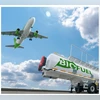
SAF, or bio-jet fuel, is a low-carbon fuel for aircraft made from non-petroleum products such as ethanol, which results in lower emissions compared to conventional jet fuel. | Image: Shutter Stock
Listen to This Article
India could look at a sustainable aviation fuel (SAF) blending mandate of 5 per cent by 2030 and 15 per cent by 2040 for domestic flights, resulting in overall demand of around 100 crore litres and 600 crore litres, respectively, according to a report by Deloitte and industry body Indian Sugar and Bio-Energy Manufacturers Association (ISMA).
The abundant availability of biomass would be the key driver in India’s potential for producing SAF for both domestic demand and exports. “India is poised to become a key player in the global SAF market, supported by abundant feedstock resources and a rapidly growing aviation sector,” the report said.
In line with international goals, India has set SAF blending targets of 1 per cent by 2027, 2 per cent by 2028 and 5 per cent by 2030 for international flights. The government, however, has not defined SAF blending targets for domestic flights yet.
SAF, or bio-jet fuel, is a low-carbon fuel for aircraft made from non-petroleum products such as ethanol, which results in lower emissions compared to conventional jet fuel. Blending SAF with aviation turbine fuel (ATF) has the potential to reduce greenhouse gas emissions by up to 80 per cent compared to traditional jet fuel.
The report said India has the potential to position itself as a global hub for SAF production on account of its rich and diverse feedstock base, including used cooking oil, sugarcane, grains, maize, and agricultural residue.
“India can produce 2,450-3,100 crore litres (19-24 million tonnes) of SAF annually, well above domestic requirements of approximately 600 crore litres (under a 15 per cent blending scenario in domestic plus CORSIA flights) by 2040,” the report said.
In a first, state-run oil marketing company Indian Oil Corporation (IOC) is set to produce SAF from used cooking oil beginning December 2025 at its Panipat refinery, with a capacity of 35,000 tonnes per annum. The used cooking oil would be sourced through hotels and restaurant chains such as ITC and Haldiram’s.
More From This Section

 "SKG Rahate")
 "air india plane")
 "flights, planes")
 "IndiGo, Bird Strike")
 "Aeroplane")
Topics : Aviation fuel domestic flights Indian Oil
Don't miss the most important news and views of the day. Get them on our Telegram channel
First Published: Sep 12 2025 | 6:38 PM IST