


Centre mandates blue chip on all antimicrobial brand labels to counter AMR
In a gazette notification dated January 23, the Union health ministry proposed adding a new clause under Rule 95 of the Drugs Rules, 1945
 "pharmaceutical sector, pharma")
Centre proposes blue strip on antimicrobial drug labels to curb OTC misuse and tackle rising antimicrobial resistance; stakeholders given 30 days for feedback.
Listen to This Article
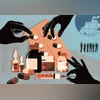
The Centre on Friday notified draft rules mandating all antimicrobial drugs and their preparations to bear a blue vertical chip across their packaging labels in a bid to counter antimicrobial resistance (AMR) caused by rampant over-the-counter (OTC) usage.
In a gazette notification dated January 23, the Union health ministry proposed adding a new clause under Rule 95 of the Drugs Rules, 1945, which lays down guidelines on the manner of labelling of all medicinal drugs available in India.
“Antimicrobial drugs and their preparations shall bear a conspicuous blue vertical strip on the left side running throughout the body of the label without disturbing the other conditions printed on the label,” the proposed clause states.
Stakeholders have been given 30 days to share suggestions or objections to the draft notification, with the amendment expected to come into force from the date specified by the government at the time of final publication of the rules in the Official Gazette.
People in the know told Business Standard that the amendment has been proposed after consultation with the Drugs Technical Advisory Board (DTAB), which is the country’s apex drug advisory body.
Also Read

 "dr reddy's laboratory , dr reddy , drl pharma sector")
 "Health budget")
 "pharma, pharma firm, medicines")
 "diabetes")
 "NEET-PG, NEET, Doctors, NEET PG")
The move comes at a time when the Centre has been focusing on tackling the rising prevalence of AMR in India. It recently released the second version of the National Action Plan to tackle AMR (NAP-AMR 2.0), which aims to combat drug-resistant infections.
Similarly, the Directorate General of Health Services (DGHS) recently urged all pharmacists to dispense antibiotics only on the prescription of a qualified doctor, thereby limiting OTC sales.
Antimicrobial drugs are medicines such as antibiotics, antivirals and antifungals that kill or stop the growth of microorganism-based infections in humans. They are the third-largest therapy segment in the Indian pharmaceutical market (IPM), with the supergroup recording sales worth Rs 27,500 crore in calendar year 2025.
According to market research firm Pharmarack, antibacterials (antibiotics) accounted for 86 per cent of overall anti-infective sales in India in 2025. They were followed by antifungals and antivirals, with a 7 per cent and 4 per cent contribution, respectively, to total anti-infective sales in India.
In June last year, the government extended its AMR net to check potential antibiotic use in animals by asking all state drug controllers to extend support for developing a reporting framework to keep the possible animal-human pathway of AMR spread in check.
According to the World Health Organization (WHO), around 10 million deaths are projected to occur globally by 2050 due to AMR, with India’s share estimated at around 2 million.
In 2019 — the latest year for which data are available — AMR was directly responsible for 1.27 million deaths globally, while 4.95 million deaths were associated with drug-resistant infections.
More From This Section
 "fashion, retail, mall, clothing")
 "Artificial Intelligence")
 "power, electricity")
 "Uber, Uber Bike, Moto rebrand, two-wheelers, bike taxis, Rapido, Ola, Bengaluru regulations, Karnataka High Court, Uber Courier, gig economy, traffic congestion")
 "Peeyush Ranjan, Fermi")
Don't miss the most important news and views of the day. Get them on our Telegram channel
First Published: Jan 23 2026 | 9:59 PM IST