


Amid declining birth rates, China imposes tax on condoms, contraceptives
China has imposed a 13 per cent tax on contraceptives as birth rates continue to fall, highlighting Beijing's struggle to reverse population decline a decade after ending the one-child policy
 "Japan's birth rate")
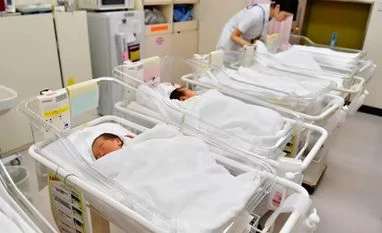
China’s decision comes amid persistently falling birth rates. Photo: Representative Image
Listen to This Article
China, on January 1, 2026, imposed a 13 per cent value-added tax (VAT) on contraceptive drugs and condoms, marking its latest attempt to revive a plunging birth rate, even as the country completes 10 years since scrapping the one-child policy, reported Reuters. The move highlights the scale of Beijing’s demographic challenge, as perpetual policy shifts and incentives have failed to reverse population decline.
What tax change has China introduced on contraceptives?
Under the new rules, condoms and contraceptive pills now attract a VAT of 13 per cent, the standard rate applied to most consumer goods, Reuters reported. At the same time, services aligned with Beijing’s population goals, including childcare, marriage introduction services and elderly care have been exempted from tax.
The tax exemption on contraceptives dates back to 1994, when China was still enforcing strict birth limits. With the exemption removed, all contraceptive products are now taxed at the uniform rate.
Why is the contraceptive tax facing backlash?
The VAT on contraceptives has drawn ridicule and concern within China, with critics calling the move largely symbolic.
Experts have also warned of unintended public health consequences. According to the Associated Press, analysts fear higher prices could reduce access to condoms, potentially leading to more unplanned pregnancies and a rise in sexually transmitted diseases, particularly among lower-income groups.
Also Read

 "gig worker gig economy skill")
 "Sovereign Gold Bonds")
 "eggs, egg prices")
 "water")
 "Autism myths")
How severe is China’s population decline?
China’s decision comes amid persistently falling birth rates. According to China’s National Bureau of Statistics, the country’s population began shrinking in 2022 for the first time in more than 60 years. The population fell to 1.411 billion that year, about 850,000 fewer than in 2021, figures released in 2023 showed.
Official data show that about 9.5 million babies were born in China in 2024, sharply lower than the 14.7 million births recorded in 2019. This decline came despite a temporary boost linked to the traditional preference for giving birth in the Year of the Dragon, according to Chinese astrology. Overall, births in 2024 were roughly one-third lower than five years earlier.
China’s demographic crisis is further compounded by rapid ageing. People aged 60 and above now account for more than 20 per cent of the population. United Nations projections suggest this share could rise to as much as half of the population by 2100, raising concerns over a shrinking workforce, slower economic growth, and rising healthcare and pension costs.
The decision to impose the tax also comes a decade after China scrapped the one-child policy, which was enforced from around 1980 until 2015. The policy relied on heavy fines, administrative penalties and, in some cases, forced abortions. Children born beyond the limit were sometimes denied household registration, effectively stripping them of access to basic public services.
Beijing ended the policy after recognising that falling birth rates posed a serious threat to long-term economic growth.
More From This Section
 "china Flag, China")
 "China Taiwan")
 "Russia, Moscow")
 "Fire, Fire accident")
 "Venezuela's President Nicolas Maduro in Caracas")
Topics : China Birth rate Contraceptive pills BS Web Reports
Don't miss the most important news and views of the day. Get them on our Telegram channel
First Published: Jan 02 2026 | 11:44 AM IST