


China's trade surplus hits record high, crosses $1 trn for first time
China's exports were up 5.9 per cent from last year, higher than expected, while imports rose only 1.9 per cent, creating a monthly surplus of $112 billion
 "Trade, tariffs")
In April this year, Trump sharply raised tariffs, starting with a 10 per cent baseline duty on all imports and a 34 per cent tariff on Chinese goods.
Listen to This Article
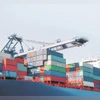
China’s exports grew strongly in November, helping its trade surplus cross $1 trillion for the first time, Bloomberg reported. This came even as the exports dipped unexpectedly in the last month.
China's exports were up 5.9 per cent from last year, higher than expected, while imports rose only 1.9 per cent, creating a monthly surplus of $112 billion. Overall, China’s trade surplus for the first 11 months of the year is 21.7 per cent higher than the same period last year.
China sells more to US than it buys
China’s record trade surplus comes soon after tensions with the Trump administration eased. Trump’s tariffs caused China’s exports to the US to fall by almost 20 per cent. But China also cut its purchases of US goods by a similar amount. According to the New York Times, China still sells about three times more to the US than it buys.
In April this year, Trump sharply raised tariffs, starting with a 10 per cent baseline duty on all imports and a 34 per cent tariff on Chinese goods, while ending duty-free access for small Chinese shipments. China hit back with the same 34 per cent tariff, export curbs, and bans on some US farm products, leading both countries to rapidly push tariffs up to 84 per cent and then 125 per cent within days.
After weeks of escalation, both sides agreed in May to a 90-day tariff pause, cutting duties sharply. Talks continued through July and August, with the US urging China to buy more soybeans. On August 11, both countries extended their tariff truce for another 90 days.
China ramps up exports
According to the New York Times, China has also ramped up its sales to other countries. China is sending huge amounts of cars, solar panels and electronics to Southeast Asia, Africa, Europe and Latin America. This has caused big manufacturers in countries like Germany, Japan and South Korea to lose customers to cheaper Chinese products.
Factories in developing nations such as Indonesia and South Africa are also cutting production or shutting down because they cannot compete with China’s low prices.
More From This Section

 "Israel-Hezbollah, Israel war")
 "United Nations Security Council")
 "Syria, Syrians celebrate new govt, Syria flag")
 "china Flag, China")
 "US-India, US-India flag, US India flag")
Don't miss the most important news and views of the day. Get them on our Telegram channel
First Published: Dec 08 2025 | 1:53 PM IST