


ECB's role isn't funding military, says Lagarde amid EU spending shift
The monetary chief told reporters in Frankfurt on Thursday that a huge increase military spending is likely to boost the economy
 "Christine Lagarde")
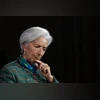
Christine Lagarde said European Central Bank doesn’t have a role in helping governments finance more defense spending. | Photo: Bloobmerg
Listen to This Article
Mark Schroers, Jana Randow and Alexander Weber
The European Central Bank doesn’t have a role in helping governments finance more defense spending and will stick to its mission of price stability, President Christine Lagarde said.
The monetary chief told reporters in Frankfurt on Thursday that a huge increase military spending is likely to boost the economy and its impact will need to be assessed in due course. But when asked by one journalist if policymakers will assist with “accommodative financial conditions,” she demurred.
“If your question is intended like, would you not participate in a financing effort — this is not the purpose of the ECB, okay?”
Lagarde said. “There is a European Investment Bank. There are multiple institutions whose actual purpose it is. Our purpose, our mandate, is price stability.”
With the European Union loosening fiscal rules and offering loans to unleash a new wave of defense investment, and Germany poised to adjust its own budgetary regime too, the shift to more of a war economy is presenting officials with new policy challenges.
Also Read

 "Germany, Germany flag")
 "European Union")
 "European Central Bank, ECB")
 "ECB, European central bank, central banks")
“If all that was to was to work, it would certainly have a fiscal impact, which itself would have an impact on demand, so we will have to take that into account and factor that in,” Lagarde said. “But I don’t see that as related to our monetary policy, because our monetary policy, as you know, provided under the mandate that we have under Article 127 of the treaty, is price stability.”
Last week, Bank of Greece Governor Yannis Stournaras acknowledged that the ECB may face pressure to “do its bit” to support the EU’s broader policy goals, while insisting that it can’t compromise on its core mission.
European Commission President Ursula von der Leyen this week proposed mobilising about €800 billion ($866 billion) to retool the continent’s armies. German Chancellor-in-waiting Friedrich Merz pledged on Tuesday amend the constitution to expand military spending and do “whatever it takes” to ramp up defenses.
That last announcement prompted the worst German bond market rout since 1990. Lagarde said that officials still have a lot of work to do to assess the impact of such a spending binge.
“We have to understand how this is going to work, what the timing will be, what the financing will be, so that we can then draw the conclusions and appreciate how much it will contribute to growth, and what impact it would have eventually on inflation,” she said.
More From This Section
 "US flag, US, united states")
 "Donald Trump, Trump")
 "US university, US colleges, American universities, US college, ivy league")
 "imf")
 "Justin Trudeau, Canada PM")
Don't miss the most important news and views of the day. Get them on our Telegram channel
First Published: Mar 06 2025 | 11:36 PM IST