


How China gained control over the global rare earth minerals supply chain
China has intensified its dominance over the global supply of rare earth elements by adding critical minerals to its export control list, further straining already fragile global supply chains
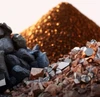
China has intensified its strategic dominance over the global supply of rare earth elements by adding critical minerals to its export control list.
Listen to This Article
The alarm has been intensifying in the past few weeks as global automakers, including major German manufacturers, raised concerns over China’s export restrictions on rare earth alloys, magnets, and mixtures, warning that the curbs could trigger production delays and operational shutdowns. The latest backlash follows similar complaints from US firms and an Indian electric vehicle producer last week, highlighting the mounting global fallout from Beijing’s April decision to suspend outbound shipments of several critical minerals.
China has intensified its strategic dominance over the global supply of rare earth elements by adding critical minerals to its export control list, further straining already fragile global supply chains amid rising geopolitical tensions.XX
The move, seen as a direct response to heightened tariffs imposed by the United States, underscores China’s decades-long state-led push to monopolise both the mining and, more critically, the processing of rare earth materials—metals that are essential to a range of advanced technologies from electric vehicles to fighter jets.
The 1990s strategy that gave China a monopoly
Despite being relatively abundant in the Earth’s crust, rare earths are rarely found in concentrated deposits and require complex, often environmentally hazardous, refining processes. China’s edge lies not only in its 30–36 per cent share of global reserves but in its near-total control of the processing chain, estimated at over 85 per cent of global capacity. Also read: No more questions on rare earths now: Trump after 'very good' call with Xi
Also Read

 "Donald Trump, Situation room")
 "Adani, Gautam Adani")
 "Keir Starmer")
 "Rains, Mumbai Rains")
Beginning in the 1990s, Beijing classified rare earths as strategic resources, shielding the sector from foreign control and channelling significant state support into extraction and refining. Initiatives like “Made in China 2025” ensured rare earths remained embedded in the country’s high-tech ambitions.
Western retreat allowed China to dominate supply chains
As the US and other Western nations shut down domestic operations over cost and environmental concerns, China ramped up investment. It perfected the solvent extraction method, a process initially developed in the US but later abandoned due to regulatory and environmental challenges.
By the early 2000s, China produced up to 97 per cent of the world’s rare earths and began restricting exports, simultaneously driving up global prices and encouraging foreign manufacturers to relocate operations to China to secure uninterrupted supply.
Export curbs on 7 key elements spark global concern
In April, China extended export restrictions on terbium, yttrium, dysprosium, gadolinium, lutetium, samarium, and scandium—seven of the 17 recognised rare earth elements. Each plays a unique role in modern technologies and defence systems.
Why terbium, yttrium and dysprosium matter globally
- Terbium: Vital for smartphone displays and aircraft magnets. China exports 85 per cent to Japan, just 5 per cent to the US.
- Yttrium: Used in medical lasers and superconductors. US relies 93 per cent on China.
- Dysprosium: Key for EV magnets and wind turbines. Majority goes to Japan and South Korea.
- Gadolinium: Common in MRI scans and reactor cores.
- Lutetium: Used in oil refining, mainly imported by the US.
- Samarium: Strategic for military-grade magnets and nuclear use.
- Scandium: Critical for aerospace; no US production in 50+ years.
- Japan, US, EU scramble to reduce China dependency
China’s move is expected to hit countries that are already struggling to build independent rare earth supply chains. According to Chinese customs data, Japan remains the largest buyer of these restricted materials, followed by South Korea and the US.
Global supply chain diversification faces uphill battle
In response, nations are accelerating efforts to reduce reliance on Chinese supply. Australia’s Lynas Rare Earths is expanding its Malaysian plant. The EU is funding scandium production, and the US has revived mining at the Mountain Pass facility in California—though the ore is still sent abroad for processing.
Yet such initiatives face formidable challenges. China’s low production costs, lenient environmental standards, and strong vertical integration give it a lasting competitive edge.
More From This Section
 "NASA")
 "Donald Trump, Trump")
 "Donald Trump, Trump")
 "Donald Trump, Trump, Elon Musk")
 "Kim Jong Un")
Topics : BS Web Reports minerals China Decoded
Don't miss the most important news and views of the day. Get them on our Telegram channel
First Published: Jun 06 2025 | 2:10 PM IST