


Reached trade frameworks with Argentina, Ecuador, El Salvador: Trump admin
The frameworks are about increasing the ability of US firms to sell industrial and agricultural products in these countries
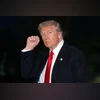 "Donald Trump")
There would also be tariff relief on select products from these countries. (Photo: PTI)
Listen to This Article
The Trump administration said Thursday that it had reached trade frameworks with Argentina, Ecuador, El Salvador and Guatemala.
The frameworks are about increasing the ability of US firms to sell industrial and agricultural products in these countries, according to a senior administration official who insisted on anonymity as a condition for briefing reporters on a call about the agreements.
The White House also released statements on the frameworks, which have yet to be finalised and are expected to be signed within roughly two weeks. It's all part of a broader effort by President Donald Trump to rewrite the rules of global commerce through the use of broad tariffs.
The frameworks touch on an array of subjects, including efforts to reduce nontariff barriers and cut tariffs to 0 per cent on American-made goods as well as commitments to not impose digital services taxes on US companies. There would also be tariff relief on select products from these countries. For example, import licenses in these countries would be eliminated and streamlined, while nations would agree to resolve issues on intellectual property rights.
Under the tariffs previously announced at the end of July by Trump, goods imported from Argentina, El Salvador and Guatemala are taxed at 10 per cent, as the US runs a trade surplus with each of those countries. Products from Ecuador, with which America runs a trade deficit, are taxed at 15 per cent.
Also Read

 "Donald Trump, Trump")
 "Donald Trump")
 "Penny, US Penny")
 "Donald Trump, Trump")
 "Donald Trump, Trump")
Guatemala President Bernardo Arvalo called the framework good news and said his country would be in a position to attract new investments.
He said that 70 per cent of the products Guatemala exports to the US will face zero tariffs under the framework, as exclusions are granted for goods the US is unable to make. All other goods would still be subject to the 10 per cent tariff.
The US senior administration official said that tariffs in these nations could be reduced on coffee, cocoa and bananas.
Treasury Secretary Scott Bessent and Trump have each suggested that the tariffs are being relaxed as affordability issues are a key concern for US voters.
(Only the headline and picture of this report may have been reworked by the Business Standard staff; the rest of the content is auto-generated from a syndicated feed.)
More From This Section
 "Blue Origin, spacecraft")
 "artificial intelligence, AI")
 "Russian Oil")
 "Michael Burry")
 "Sheikh Hasina")
Don't miss the most important news and views of the day. Get them on our Telegram channel
First Published: Nov 14 2025 | 7:27 AM IST