


Only a third of world rivers had water within normal range in 2024: WMO
Only a third of rivers had normal flows in 2024 while glaciers shrank for the third year, WMO report warns, urging stronger monitoring and data sharing to avert future crises
 "River")
The report said that while much of the world was hot and dry in 2024 (hottest year on record), with severe droughts in many regions, other regions suffered multiple devastating floods.
Listen to This Article
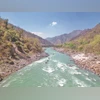
Just around a third of rivers across the globe had water within the normal range in 2024 and almost 60 per cent of them either showed too much or too little water for the sixth year running, according to the ‘The Status of Global Water Resources in 2024 Report’ from the World Meteorological Organisation (WMO) released on Thursday.
The report contains input from a wide network of hydrological experts, including National Meteorological and Hydrological Services, Global Data Centres, global hydrological modelling community members. NASA, ESA, the German Research Centre for Geosciences (GFZ), the World Glacier Monitoring Service, Global Runoff Data Centre (GDRC) and the International Ground Water Assessment Centre were among supporting organisations.
The report said that while much of the world was hot and dry in 2024 (hottest year on record), with severe droughts in many regions, other regions suffered multiple devastating floods.
Lake surface temperatures were anomalously high in 2024, and nearly all out of 75 main lakes across the globe saw above average water levels. 2024 was also the third straight year with widespread glacier loss across all regions, it added.
“Many small-glacier regions have already reached or are about to pass the so-called peak water point — when a glacier's melting reaches its maximum annual runoff, after which, this decreases due to glacier shrinkage,” the report said.

 "High temperatures")
 "V Anantha Nageswaran, Nageswaran, Anantha, Chief Economic Advisor")
 "SL vs AFG")
 "mutual fund")
 "Rahul Gandhi, Rahul, Congress leader")
It cited a UN assessment, saying an estimated 3.6 billion people face inadequate access to water for at least a month per year and this is expected to increase to more than 5 billion by 2050.
“Water sustains our societies, powers our economies and anchors our ecosystems. And yet the world’s water resources are under growing pressure and — at the same time — more extreme water-related hazards are having an increasing impact on lives and livelihoods,” WMO Secretary-General Celeste Saulo said in a statement.
Region wise, the report found that in 2024, it was wetter than normal in Kazakhstan, Southern Russia, Pakistan, Northern India, Southern Iran, and North-Eastern China.
In 2024, rivers had above- to much-above-normal discharge conditions across parts of Asia, including Kazakhstan and Russia, while major basins such as the Ganges, Godavari, and Indus experienced above- to much-above normal conditions.
In the Middle East and Central Asia, lake levels were much below normal and Typhoon Yagi was one of the deadliest extreme events in South-East Asia in 2024. It also said Afghanistan, Iran and Pakistan were badly affected by intense spring rainfalls in 2024.
More From This Section
 "taliban")
 "US Senate, US congress, white house, US Capitol")
 "Huawei")
 "Cop29, fossil fuel, climate change, pollution, 2024 global carbon project data for fossil fuel emissions")
 "Google")
Don't miss the most important news and views of the day. Get them on our Telegram channel
First Published: Sep 18 2025 | 2:46 PM IST