In 2025, health tracking quietly became less about chasing numbers and more about understanding everyday habits. The best gadgets this year did not promise transformation overnight. Instead, they focused on consistency—tracking how we move, sleep, recover, and sometimes struggle. From watches that monitor heart health to earphones that track workouts when your watch runs out of battery, these devices blend into daily routines rather than demanding attention.
This year-ender looks at five products that stood out specifically for how they supported health and fitness tracking over time. Each device serves a different kind of user, but all share one thing in common: they make health tracking feel like part of daily life, not a task. And that, more than any feature list, is what made them stand out this year
The Samsung Galaxy Watch 8 series feels designed for people who want detailed health tracking without having to think too much about it. From the moment it is worn, the watch makes it clear that health monitoring is its core purpose. Heart rate, SpO₂, stress, VO₂ max, sleep stages, skin temperature, body composition, and even vascular load are tracked quietly in the background. For users paired with a Samsung phone, this data is always accessible, which makes checking health stats feel natural rather than forced.
What stands out is how broad the health coverage is. The watch does not focus only on workouts or steps. It tracks what happens outside exercise hours as well, including sleep quality, recovery, stress levels, and patterns that build up over days rather than minutes. Sleep tracking, in particular, offers a detailed breakdown of time spent in bed, deep sleep, and breathing patterns.
During workouts, the Galaxy Watch 8 handles basic and advanced metrics equally well. Heart rate zones, VO₂ max, SpO₂ readings during activity, and GPS tracking offer a solid picture of physical exertion. Audio feedback during workouts adds useful context, such as distance covered and heart rate averages, especially for runners.
Other health features like ECG and blood pressure monitoring add depth, though they depend heavily on ecosystem compatibility. When paired with a Galaxy phone, these tools are easy to access and work reliably after initial adjustment. For users on non-Samsung phones, these features remain locked, which limits the watch’s full health potential.
One thing the Galaxy Watch 8 does well is long-term tracking. After several days of use, patterns begin to emerge. The watch does not overwhelm with alerts but quietly builds a health profile. Battery life lasts about a day and a half, enough to support overnight sleep tracking without constant charging.
Overall, the Samsung Galaxy Watch 8 works best as a health companion rather than a performance tool. It suits users who want visibility into their health trends across days and weeks, especially those already using Samsung phones.
The Apple Watch Series 11 does not dramatically change how health tracking works, but it refines it in ways that become noticeable over time. It continues Apple’s approach of focusing on daily well-being rather than just fitness goals. From heart rhythm notifications to blood oxygen tracking and ECG support, the watch quietly monitors health without demanding constant interaction.
One of the strongest aspects of the Series 11 is how health data is presented. Instead of raw numbers, Apple focuses on summaries and trends. The new Sleep Score introduced with watchOS 26 is a good example. Rather than asking users to interpret graphs and percentages, it translates sleep data into an understandable score with suggestions. Over time, this makes it easier to adjust habits without feeling overwhelmed by metrics.
Workout tracking remains reliable and familiar. The watch supports a wide range of activities, tracking heart rate, calories, distance, and effort consistently. For people who exercise regularly but not competitively, the Apple Watch offers enough detail without pushing performance anxiety. The addition of Workout Buddy adds spoken feedback during workouts, though its usefulness depends on personal preference. Some may find the voice prompts motivating, while others may prefer silence.
Heart health continues to be a major focus with this watch. Features like irregular rhythm notifications and ECG readings work quietly in the background. Even without actively using these features, the watch already feels like a long-term health monitoring device rather than a simple fitness tracker. Battery life, while improved, still requires daily attention. For users who wear their watch continuously, charging habits become part of the routine.
The Apple Watch Series 11 works best for people who want a steady, reliable health overview integrated deeply into daily life. It does not chase extreme fitness metrics but instead focuses on long-term well-being and habit awareness.
Google Pixel Watch 4 offers a comprehensive suite of sensors and features that monitor key aspects of health throughout the day and night. Users can get activity tracking, heart-rate monitoring, blood oxygen (SpO2) measurements, ECG and an improved skin-temperature sensor that aims for more accurate readings than before.
The watch supports over 40 workout modes, from basic activities like walking and running to strength training and high-intensity workouts, giving users flexibility in how they track their fitness goals. Fitness data is tracked on the watch and synced to the Fitbit app. The watch shows basics like steps, heart rate and sleep, while the app offers deeper metrics, including skin-temperature trends, body response data and past comparisons.
Google includes six months of Fitbit Premium with the Pixel Watch 4, but the most important metrics like heart rate, SpO2, sleep stages, and Active Zone Minutes are available without a subscription. Some advanced insights, such as the Readiness score that factors in heart-rate variability (HRV), also show up for free-tier users.
However, Readiness score often fluctuates between weeks despite similar sleep and activity patterns. On the other hand, sleep tracking on the Pixel Watch 4 is accurate and easy to read, with clear sleep stages and reliable bedtime and wake-up data.
A strong point of the Pixel Watch 4 is that its health and fitness features work with almost any Android phone, without locking important metrics to specific brands. This makes its fitness tracking more inclusive for a wider range of users. The Pixel Watch 4 lasts around three days on a charge, and can stretch close to four days with lighter use.
The AirPods Pro 3 introduce a different idea of health tracking—one that does not rely on wearing a watch. By adding heart rate sensors inside each earbud, Apple turns earphones into fitness tools, especially useful when a smartwatch is unavailable. Heart rate tracking on the AirPods Pro 3 works during workouts and supports a wide range of activities. Accuracy is comparable to dedicated wearables for common exercises like running and indoor workouts. For users who forget to wear or charge their Apple Watch, the earbuds act as a reliable backup, ensuring workouts are still tracked.
Beyond heart rate, the AirPods Pro 3 contribute to hearing health. Improved transparency mode makes real-world sounds feel natural while protecting against sudden loud noises. This balance encourages awareness without isolation, which is important for outdoor activities like walking or running. Workout Buddy integration extends to the AirPods Pro 3, offering spoken feedback during exercise. As with the Apple Watch, this feature depends on personal preference.
Sleep and recovery are not tracked directly through the earbuds, but their comfort and battery life make them suitable for extended use. With up to eight hours of playback and nearly a week with the charging case, they reduce the need for frequent charging, which supports consistent use.
The AirPods Pro 3 do not replace a smartwatch, but they add flexibility to health tracking. They work best as part of a broader ecosystem, filling gaps when other devices are unavailable.
The Beats Powerbeats Pro 2 focus squarely on workouts. Their ear-hook design and secure fit make them suitable for intense physical activity, where stability matters more than subtlety. These are earphones designed to stay in place, even during demanding sessions.
Heart rate monitoring is the defining health feature here. Unlike most earphones, the Powerbeats Pro 2 track heart rate during workouts and transmit data to supported fitness apps. Accuracy is generally close to smartwatch readings, though it depends heavily on fit and sensor contact. Sweat and movement can affect readings, reminding users that these sensors require proper placement.
The limitation is that heart rate tracking only works during workouts and relies on app compatibility. On iOS, supported apps are limited, while Android offers broader support.
Comfort is a mixed experience. While the ear-hooks ensure stability, long sessions can cause fatigue. This makes them better suited for shorter, intense workouts rather than all-day wear. Physical controls for volume and playback are convenient, though accidental presses can happen during adjustment.
Battery life is a strong point. With up to ten hours per charge without ANC and around seven to eight hours with ANC and heart rate tracking enabled, the Powerbeats Pro 2 support long workout sessions without interruption. This reliability supports consistent training habits.
The Powerbeats Pro 2 feel like a focused fitness tool rather than a general health device. They do not track sleep or recovery, but they support active movement reliably.
Conclusion
Health tracking in 2025 became less about perfection and more about persistence. The best gadgets this year did not promise flawless accuracy or dramatic results. Instead, they helped users notice patterns—how sleep affects workouts, how stress shows up in heart rate, and how consistency matters more than intensity.
The Samsung Galaxy Watch 8 excels at detailed health monitoring, especially for users within Samsung’s ecosystem. Meanwhile, the Google Pixel Watch 4 positions itself as a great alternative for those using any Android smartphone. The Apple Watch Series 11 continues to offer a balanced, long-term view of well-being. The AirPods Pro 3 add flexibility by bringing heart rate tracking to earphones, while the Powerbeats Pro 2 focus on stability and endurance during workouts.

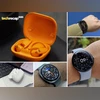 "Year-ender 2025: Galaxy Watch 8 to AirPods Pro 3, 5 health tracking gadgets")


