


Wine and tax
Here's hoping for more wine-friendly policies in India
 "Wine")
premium
Wine
4 min read Last Updated : Sep 06 2019 | 9:34 PM IST
I have never tired of advocating that fermented alcoholic beverages like wine and beer need to be treated differently from spirits, both in licensing and taxation as well as in general regulatory matters. These are relatively low-alcohol products that are not “injurious to health”.
Unfortunately, in India the authorities tend to club all alcoholic beverages under the same regulatory umbrella, with minor concessions regarding taxes for wine and beer. Given the fact that alcoholic beverages are a “state” subject, every state (and Union Territory) has its own rules and regulations (and duties and taxes), this makes for a bewildering mosaic of regulations to comply with.
One would expect that excise departments would concentrate on making collection of duties as simple as possible, and allow stakeholders the freedom thereafter to meet consumer requirements and expectations.
Instead, the powers that be are prone to bureaucratic overreach and try to regulate every facet of the process — never mind that it is ultimately consumers who pay the price of every regulation and constraint.
Witness the recent rule in Delhi mandating that wines and beer purchased by restaurants must be “liquidated” within three days or they will face destruction. An absurd and nonsensical regulation, brought in to try and curb the use of non-duty paid products (leakages from embassies, perhaps) that will effectively cripple the on-premise business in fine wines.
Or the law in Bengaluru that requires restaurants wanting to play music to obtain a police licence — in addition to the estimated 12 different licences (and over 40 documents) already required to run such an establishment. This seemingly irrational ruling was endorsed by the courts, which said that “performances need to be controlled, regulated, and supervised” — apparently “in the larger public interest”.
Everyone, it seems, want a finger in the pie, with little value being added to the mix. This is one of the key factors why wines are so expensive in India, both in retail (about three times more than prices overseas) or in restaurants (two-three times more expensive than at retail). This is also why the wine market here is so small as compared to the population: about 4.5 million nine-litre cases, including cheap wines — 30 ml/capita, versus a world average of 3.35 litres per capita.
So, imagine if prices and regulations on wines in India were on a par with those in overseas markets. Volumes would grow 10 times in five years to 45 million cases (still only 0.3 ml per capita), and who knows what could happen in 10 years!
But for that to happen we also need more states to adopt wine-friendly policies, such as was done in Maharashtra in 2001 and in Karnataka in 2008, to make both producing and selling wine easier and cheaper. Wine grapes can be produced almost anywhere where there’s adequate sunshine and water and sloping land, so there’s scope in Tamil Nadu and Kerala in the south and Odisha and the entire foothills of the Himalayas in the north.
Here’s hoping for more wine-friendly policies in India.
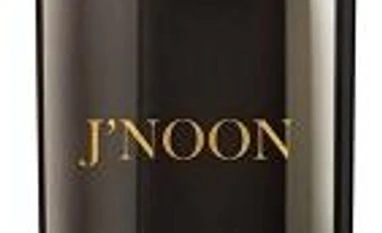
Wines I’ve been drinking: I was pleasantly surprised to receive a complimentary bottle of the 2017 J’Noon Red Wine from Kapil Sekhri, the driver behind winemaker Fratelli. A “Bordeaux blend” of Cabernet Sauvignon and Petit Verdot, with a bit of Cabernet Franc, this is the highest-priced Indian wine (Rs 4,000) and emerged out of a collaboration with French wine legend Jean-Charles Boisset.
A very dark red in a heavy premium bottle, the wine has a complex aroma of black fruits, tobacco, oak and herbs, and a full-bodied mouthfeel with firm tannins (it’s still very young) and a long finish. Worth buying now and storing away for at least three years — will keep improving in the bottle.
Cheers to Make in India!
Alok Chandra is a Bengaluru-based wine consultant
Topics : Wine in India Weekend Reads