


Boeing sees Indian commercial aviation market improving
Yields are improving, fuel prices are stabilising the market
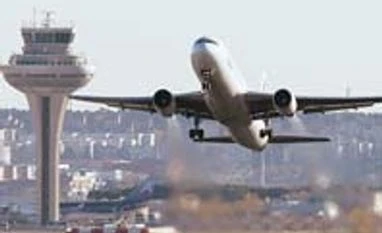)
“These are all positive signs for the airlines in India. There is now a balance between supply and demand helping airlines get reasonable yields to make a profit,” Keskar said.
Boeing continues to be the choice supplier of long-haul, twin-aisle airplanes, with the 777 and 787 Dreamliner playing key roles in the fleets of major airlines in India. Over the next 20 years, the Boeing Current Market Outlook projects that airlines in India will need 1,450 new airplanes worth Rs 962,500 crore ($175 billion). The 20-year forecast of airplane deliveries by the airplane type is as follows:
| India new airplane deliveries 2012-2031 | Airplane Type | Deliveries values |
| 1,201 | Single-aisle | Rs 627,000 ($114 bn) |
| 234 | Twin-aisle | Rs 335,500 ($81 bn) |
| 15 | Regional jts | Rs 2,750 ($0.50 bn) |
Single-aisle airplanes such as the Next-Generation 737 and new 737 MAX continue to be in high demand with airlines in India, making up the bulk of new deliveries in the next 20 year period.
“Because fuel prices are higher in India, our newest products such as the 737 MAX will help airlines in India save fuel and lower their costs,” said Keskar. “In addition the capabilities of the 737 MAX will allow airlines to fly passengers farther and in more comfort with the Boeing Sky Interior,” he added.

Don't miss the most important news and views of the day. Get them on our Telegram channel
First Published: Feb 08 2013 | 5:25 PM IST