


We want a transparent clinical trial and new drug approval process: Rehan Khan
Interview with MD, Abbott India
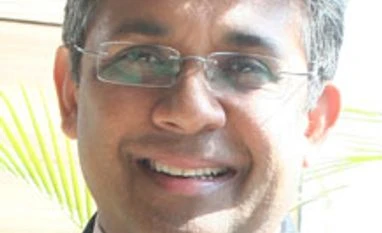 "Rehan Khan")
Rehan Khan
With a new nutraceuticals unit to become operational in Gujarat later this year, Abbott India, country arm of the US-based pharmaceutical and health care company, says it is bullish on this market, a priority one. Managing Director Rehan Khan shares his views in an interview with Sohini Das. Edited excerpts.
How soon will the Gujarat plant be operational and what would be the major products manufactured here, apart from nutraceuticals?
The plant, at Jhagadia, should become operational later this year. We will begin local production by manufacturing PediaSure and later our adult nutrition product, Ensure.
Also Read

What is the growth and outlook like for the neutraceuticals segment. What’s your own share here?
Abbott’s nutrition business in India is present in paediatric nutrition (infant, toddler and child nutrition) and adult nutrition, for healthy adults and also patients with special dietary needs.
While we don’t share specific market share figures, our local nutrition business has grown consistently over three years and continued to do the same in 2013, registering a high double-digit growth over 2012.
Our nutrition portfolio in India is led by Pediasure in the paediatric nutrition space and Ensure in adult nutrition. Both are among the key brands that have contributed to this growth.
With 348 essential drugs now under the new drug pricing control order (DPCO), what is your strategy in the long term for India? Do you see your margins coming under pressure?
The Indian pharmaceutical market is witnessing changes and the health care sector is seeing rapid transformation. The key for health care companies is to demonstrate their long-term commitment to patients and other stakeholders in the market, despite volatility.
The portion of Abbott’s broad pharmaceutical portfolio that is made up of essential drugs under DPCO was in line with our expectations. We see ourselves as partnering and playing a leading role in meeting the health care challenges of India.
Another recent issue in India has been the slowdown in clinical trials. How does this impact your product launches?
At Abbott, we have an extensive established pharmaceutical, or branded generic, portfolio. These include trusted brands that have been safely and effectively treating patients for decades and are no longer covered by any patent protection. Abbott’s global policy on clinical evaluation includes a requirement for compliance with the applicable International Conference of Harmonization (ICH) guidelines.
Abbott approaches the conduct of clinical trials with the patients who participate in the trials as our key priority. In designing trials, we strive to take into account the long-term needs of patients. Abbott appreciates the steps taken by the Government of India, particularly in pursuance of the Supreme Court order, with an aim to put in place a robust regulatory structure.
We hope that these measures will lead to a transparent, predictable and time bound clinical trial and new drug approval process. We are monitoring discussions on the draft audio-video recording guidelines closely as there is still uncertainty on the way forward and interpretation of the guidance today.
While supporting the Government’s initiative to create a regulatory framework that addresses the interests of Clinical Trial subjects, Abbott firmly believes that any proposal should be aligned with international best practices.
What are the segments you are bullish on in India, and what is the pipeline of launches in these segments?
Our established pharmaceuticals portfolio addresses a broad range of diseases that are relevant to India. When building a country specific portfolio, we focus on where we can bring the most value to patients and meet the market's needs.
For example, combining our women's healthcare expertise from both our nutritional and established pharmaceuticals portfolio, we have identified the healthcare needs of women today in many countries.
Our established pharmaceutical portfolio represents 90% of the therapy areas represented in the Indian Pharmaceutical Market. Our focus therapy areas are Gastroenterology, Thyroid, Respiratory, Neuropsychiatry, Pain / Analgesic and Diabetes.
We have launched over 40 new pharmaceutical products in India in the last 24 months across therapy areas like Diabetes, Dermatology, Neurosciences, Cardiology and Pain.
Abbott had acquired the domestic formulations business of Piramal in one of the biggest deals in the Indian pharma space. Is there any plan for more acquisitions in the future to strengthen your presence in the market?
Abbott has had a presence in India for 100 years and is always looking for better ways to service the changing needs of patients and customers. Over the past several years, Abbott has built a leading presence in India, with now approximately 12,000 employees – our largest employee base outside the U.S.
We operate pharmaceutical manufacturing plants in Goa and Baddi, Himachal Pradesh, as well as a pharmaceutical development centre in Mumbai and a nutrition R&D facility in Bangalore. We are actively developing products in India for the local population. India is a priority market for Abbott both for investment and growth, and we will continue to evaluate opportunities that fit with our strategy; however we don’t speculate on future investments.
While the Indian pharmaceutical Industry (IPI) has grown at nearly 12 to 15% and will continue to be in double digits ,100% FDI in the pharma space has also increased competition. What would be your strategy in the long run?
The Indian pharmaceutical market presents a great opportunity for companies like Abbott who take a long-term view of the market. India is geographically and culturally diverse with smaller markets within the overall market. The economy and infrastructure are rapidly evolving.
There is significant unmet medical need in India.The acquisition of Solvay Pharmaceuticals and Piramal Healthcare’s domestic formulations business has bolstered Abbott’s Established Pharmaceuticals product portfolio and enabled the company to attain critical mass for the distribution and availability of products across India, giving Abbott a leading position in the pharmaceutical market in India.
We are launching new products and enhancing availability of our products by increasing geographic penetration. Innovation is a key differentiator. Our Mumbai pharmaceutical development centre is a key centre for Abbott that is actively involved in developing new and differentiated products, platform technologies or drug delivery systems, and innovative packaging solutions for the Indian market.
Don't miss the most important news and views of the day. Get them on our Telegram channel
First Published: Feb 20 2014 | 12:46 AM IST