


Solution to Indian agriculture is aggregation: Dr Prakash Bakshi
Q&A: NABARD chairman
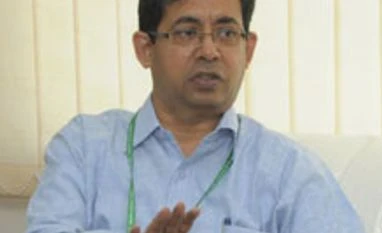 "Dr Prakash Bakshi")
Dr Prakash Bakshi
With the decreasing land holdings emerging as the biggest challenge for the Indian agriculture, National Bank of Agriculture and Rural Development (NABARD) Chairman Dr Prakash Bakshi talks to R Krishna Das about how to deal with the situation. Edited excerpts:
You have been expressing your concern over the decreasing land holdings in the country. What solution do you envisage?
The agriculture sector in the country is under stress. For, the land holdings are constantly decreasing. While the total acreage of 140 million hectares has remained the same for the last 40 years, the number of farmers had just doubled. The number of people tilling the same land has increased two folds.

This has resulted in discouraging farmers to invest in the field because of small land at disposal. If timely action is not taken, it will be difficult to maintain agriculture as a feasible profession. The solution to the Indian agriculture is aggregation and for this another form of land reform is required in the country.
What will be the form of land reform?
The cost of agriculture production has enhanced about 67% while the bank's cost of financing. The marginal farmers are keeping his land untilled while he seeks jobs elsewhere. The fear of losing the land makes him reluctance to give it to others for cultivation.
The country needs amendments that facilitate leasing of land and protecting the rights of owners. If 10 farmers come together and take up collective cultivation work jointly, the volume of production will increase. Cooperative and contract farming are other examples. It is a big political issue but we need to talk to the persons concern and introduce a new land reform code.
What are the other measures?
More research is required in the field of agriculture and new innovation in the sector shall be implemented. The System of Rice Intensification (SRI) method is one of the examples. The labour skill need to be upgraded while the mechanization process shall be introduced in the sector.
Is NABARD mooting new plans?
Our aim is to make NABARD more sustainable. We have been paying least attention on after harvest. This is something we miss. The NABARD will now focus on the issue. The farmers are not getting the reasonable rate for their produce when they come to the Mandis.
Trade in the Mandis is cartelized and the farmers are forced to sell the produce at the throw away prices. Small farmers give maximum productivity but he is the worst paid farmers. The lack of proper shortage is one of the hurdles as the farmers cannot stock the produce and wait for a better rate.
The NABARD is investing Rs 5,000 crore for warehousing. What is the status?
The work is in progress. Under the plan, godown will be constructed in the primary cooperative society limit. If the amount earmarked (Rs 5,000 crore) is utilized, it will generate a space to store 10 million metric tonnes of agriculture produce. We can meet a big requirement of the country by ensuring such a big space for proper shortage at the rural pocket.
What is the position of providing core banking solution to the cooperative banks?
Of the 250 cooperative banks in the country, 40 banks have not taken any initiative to ensure core banking solution in the branches. The innovation is inevitable and those failing to implement it will lose the customers.
The NABARD circular on PACS is now going well with the states. Many are in fact opposing it?
The circular directing District Central Cooperative Banks (DCCBs) and State Cooperative Banks (STCBs) to convert Primary Agriculture Cooperative Society (PACS) as its business correspondents by taking over their asset and liabilities and stopping PACs from accepting deposits and lending will show its results later. If the measure is not taken, the cooperative societies in the country will be closed.
Don't miss the most important news and views of the day. Get them on our Telegram channel
First Published: Sep 06 2013 | 5:19 PM IST