


Home / World News / Tiger Woods is back and the fans love it, but will sponsors buy in?
Tiger Woods is back and the fans love it, but will sponsors buy in?
Some brands had already bet on a Tiger Woods comeback, even when it looked unlikely
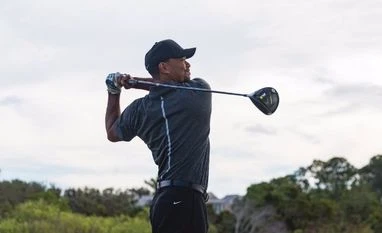 "Tiger Woods, Golf")
premium
Tiger Woods. Photo: Twitter (@TigerWoods)
Last Updated : Mar 31 2018 | 8:56 PM IST


In the past few weeks, Tiger Woods has made a seemingly improbable comeback on the golf course. But can his image rebound the same way off it?
That is the question that brands and advertisers are posing as Woods returns to the Masters on Thursday for the first time since 2015, while playing his best golf in years. The past month has brought swelling television ratings and overcrowded, rowdy galleries for Woods’s PGA Tour appearances. When he finished in a second-place tie at the Valspar Championship in early March — at one point sinking a 44-foot birdie putt that had the crowd screaming — the television ratings for the final round were the highest for a non-major tournament since 2013. For a time, the streaming service of PGA Tour Live crashed because of “unprecedented traffic.”
All this is evoking memories of the unprecedented fan interest that made Woods one of the most recognised — and influential — athletes for more than a decade, worth about $90 million per year in endorsement contracts alone.
But it’s been a while. The fallout from the 2009 revelations of his extramarital affairs cost him deals with Gatorade, AT&T, General Motors and Gillette, among others. The few companies that stood by him, namely Nike, did so despite multiple injury-plagued and underwhelming seasons; since 2010, Mr. Woods has eight PGA Tour wins, after winning 71 times in the 14 previous years.
“He has a little bit of wind in his sails,” said David Carter, a professor of sports business at the University of Southern California. “The key is going to be can he win, can he stay healthy and can he stay out of trouble? If he can do that and remain competitive, then I think the big brands will return.”
Some brands had already bet on a Tiger Woods comeback, even when it looked unlikely. Bridgestone reached out to Woods about playing its golf ball in September 2016, shortly after Nike announced that it would no longer be selling golf equipment (though it would continue its Woods-branded clothing line). It hardly mattered that Woods had not appeared in a tournament in 13 months.
Angel Ilagan, Bridgestone Golf’s chief executive, said in a recent interview that the company had sent 12 dozen balls to Woods, hoping he would attach his name and endorsement to the product, which he eventually did, signing a multi-year contract in December of that year.
“We know Tiger’s brand strength,” Ilagan said. “Whether he does play or not doesn’t really matter. That’s just icing on the cake.”
With Woods apparently close to his previous form — he is the betting favourite to win his fifth green jacket at the Masters — that icing is already tasting sweet. Already in 2018, Bridgestone’s sales of golf balls have increased 115 percent over the same period a year ago. Ilagan attributed that to Woods; Bridgestone has already begun to market a Woods edition golf ball, which it introduced on Wednesday.
TaylorMade, which signed Woods to use its clubs in January last year, said it saw no need to build a marketing campaign around the star, because the mere fact that he plays with the clubs or talks about their performance in interviews does the selling job.
“When Tiger says something, the world takes notice,” David Abeles, the company’s chief executive, said. “Because it’s true. We’re excited just when he talks in his own words.”
Ilagan suggested that Woods’s rebound from the dramatic turn his career took in 2009 had made him more relatable and perhaps likable for fans. “His absence showed what was missing when he wasn’t there,” Ilagan said.
Martin Buckley, global vice president and general manager of Nike Golf, which sells a full line of Woods-branded clothing, including shoes, shirts and sweaters, said that fans would be seeing a lot more of him in Nike advertisements this summer.
“He’s a unique, integral part of the Nike family,” Buckley wrote in an email, “and we don’t see that changing any time soon.”
But while performance brands remain aligned with Woods, more mainstream companies have not yet jumped back on the bandwagon. Peter Land, a partner at Finsbury, the strategic communications firm, suspects a reason could be that Woods likely alienated women when news about his extramarital affairs surfaced.
© 2018 The New York Times News Service