


US job openings in Dec highest since '01
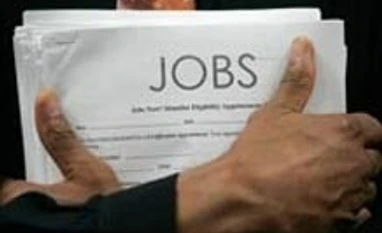
The number of positions waiting to be filled in the US increased by 181,000 to 5.03 million in December, the most since January 2001
)
Job openings in the US rose to the highest level since 2001 as employers faced improving demand for their goods and services.
The number of positions waiting to be filled in the US increased by 181,000 to 5.03 million in December, the most since January 2001, from a revised 4.85 million the month before, the Labor Department reported Tuesday in Washington. More people voluntarily quit their jobs, indicating they were optimistic they could find another as the hiring pace picked up.
Employment has accelerated in the past year, helping drive confidence and fuelling sales. Continued strength in hiring will probably help spur a pickup in wage growth, which has been slow to materialise throughout the recovery.

"The fact that you have so many new jobs coming on the market shortens the time that individuals have to spend in unemployment between jobs," said Lou Crandall, chief economist at Wrightson ICAP LLC in Jersey City, New Jersey. Crandall is the second-best forecaster of the job openings figures over the last two years, according to data compiled by Bloomberg.
One aspect "that really sticks out here is the very large number of people who found new jobs in the month," he said. "Having the confidence to leave a job and look for another one is an important contributor to that."
The median forecast in a Bloomberg survey projected 4.98 million openings in December, little changed from a previously reported 4.97 million the month before.
Fed's Yellen
The Job Openings and Labor Turnover Survey, or JOLTS, adds context to monthly payrolls figures by measuring dynamics such as resignations, help-wanted ads and the pace of hiring. Although it lags the Labor Department's other jobs data by a month, Federal Reserve Chair Janet Yellen follows the report as a measure of labour-market tightness and worker confidence.
The survey showed job openings increased among retailers, construction companies, professional and business services and education and health care providers. They fell in manufacturing.
The number of people hired climbed to 5.15 million in December, the most since November 2007, from 5.05 million. The hiring rate increased to 3.7 per cent after 3.6 per cent in November. The gauge calculates the number of hires during the month divided by the number of employees who worked or received pay during that period.
Quits rate
Some 2.72 million people quit their jobs in December, the highest in four months and up from 2.66 million the prior month. The quits rate, which shows the willingness of workers to leave their jobs, was unchanged from the prior month at 1.9 per cent and compares with a 2 per cent reading when the recession started more than seven years ago.
About 1.73 million were dismissed from their jobs in December, up from 1.66 million the prior month. In the 12 months ended December, the economy created a net 2.9 million jobs, representing 58.3 million hires and 55.4 million separations.
About 1.7 unemployed people were vying for every opening in December, compared with 1.8 when the recession began.
A Labor Department report last week showed payrolls advanced by 257,000 last month following increases in December and November that were even bigger than previously reported. The unemployment rate rose to 5.7 per cent from 5.6 per cent as more than a million Americans streamed into the labour force seeking work.
The gain adds to evidence that shows the labor market is picking up steam, creating a virtuous cycle in the process as Americans spend newfound incomes on goods and services. The Fed is monitoring both job creation and inflation as it considers the timing of its first interest rate increase since 2006.
Fed's view
Inflation "is anticipated to decline further in the near term," the Federal Open Market Committee said in a January 28 statement. Meanwhile, "labour market conditions have improved further, with strong job gains and a lower unemployment rate."
Ford Motor Co is adding 1,550 workers to help build the new aluminum-bodied F-150 pickup in Missouri and Michigan. Due to a contract, it must also give pay raises to as many as 500 US hourly employees because the new hiring is pushing the company past its limit on lower-wage workers.
"In total, this action is good for our business," said Bill Dirksen, Ford's vice-president of labour affairs. "We're hiring more people to make more trucks because the market likes our truck."
Don't miss the most important news and views of the day. Get them on our Telegram channel
First Published: Feb 11 2015 | 12:05 AM IST